IPC Responds to Sanctions on Russian Paralympic Officials

IPC Responds to Sanctions on Russian Paralympic Officials
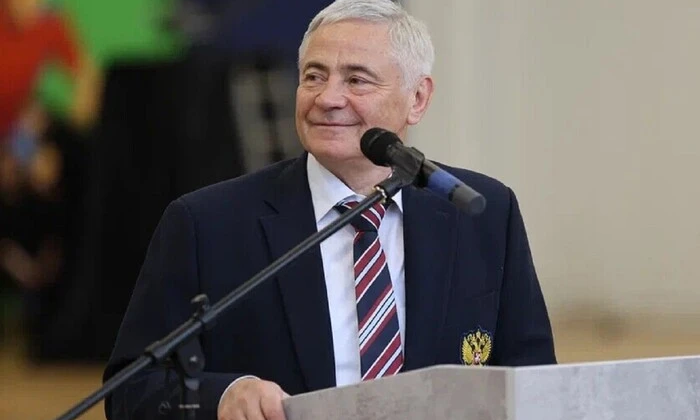
According to Главком: On January 17, 2026, Ukrainian President Volodymyr Zelenskyy enacted Decree No. 60/2026, implementing sanctions against Russian sports figures and organizations. This action, based on a decision by Ukraine's National Security and Defense Council, targets entities accused of violating principles of sporting neutrality. The International Paralympic Committee (IPC) has now commented on these sanctions, which specifically name the Russian Paralympic Committee and its president, Pavel Rozhkov.
The sanctions are a response to actions that Ukrainian authorities state breach the rules for neutral athletes. This situation highlights the ongoing tension between international sport and geopolitics. Among those sanctioned is the Russian Paralympic Committee and its president, Pavel Rozhkov. The move follows an incident on February 29, 2024, when Russian speed skater Aleksandra Sayutina attended Vladimir Putin's annual address to the Federal Assembly. Such participation in events supporting Putin is considered a breach of International Olympic Committee (IOC) guidelines for neutral athletes.
IPC Reaction
In response to these developments, IPC spokesperson Craig Spence stated:
"The IPC is aware of this situation. That is all we can say on the matter." - Craig Spence
Thus, while the committee acknowledges awareness of the sanctions, it is withholding further comment on their potential impact on Russian Paralympians. The issue remains a point of discussion in the broader context of international sport and policy.
The imposition of sanctions on Russian sports bodies could have significant consequences for participants in international competitions. Paralympic athletes, in particular, may face pressure from both their own officials and international sporting federations. The IPC's future actions and stance on these sanctions will likely determine how Russian athletes can participate in future international events and could affect the overall perception of sport amid political conflicts.

Read also