Ukraine’s Central Bank in Vienna: Navigating Crisis and Reaffirming Inflation Targeting

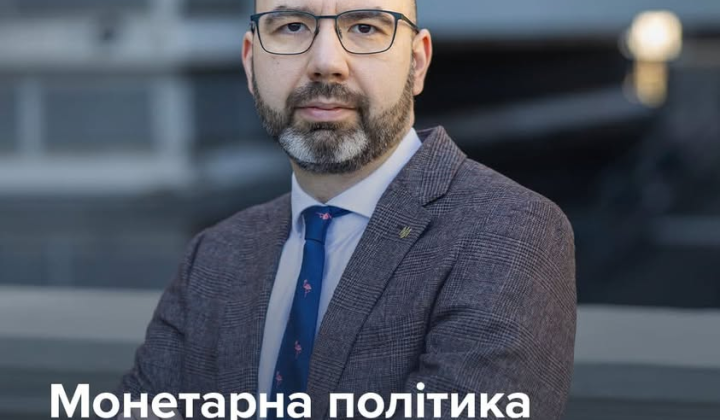
Taras Tokarchuk’s Lecture in Vienna
According to НБУ: Taras Tokarchuk, Director of the Monetary Policy and Economic Analysis Department at the National Bank of Ukraine (NBU), delivered a lecture in Vienna for participants of the Joint Vienna Institute’s "Crises and Resilience" course. His talk focused on how Ukraine’s monetary policy has evolved in response to crises, detailing the shifts since the adoption of inflation targeting in 2015 and the additional adaptations made following Russia’s full-scale aggression.
Monetary Policy Adjustments Amid Crisis
The introduction of inflation targeting in Ukraine in 2015 marked a pivotal moment for the NBU. Since then, the central bank has:
- strengthened the role of the key policy rate;
- implemented a forward-looking decision-making framework;
- enhanced transparency in its communications.
These reforms helped reduce inflation and bolstered confidence in the hryvnia and the NBU’s policies. However, following the outbreak of large-scale Russian military aggression, the NBU took further steps to safeguard financial stability. Measures included fixing the exchange rate, imposing currency restrictions, and controlling capital flows. These actions were crucial in preventing financial panic and maintaining banking system stability during the war’s initial months.
Despite these challenges, Ukraine’s banking sector has remained resilient. The NBU continues to pursue its strategic objectives, gradually restoring the effectiveness of interest rate policy by introducing tools to encourage term hryvnia deposits from the public. Additionally, the central bank has shifted toward a managed flexible exchange rate regime and eased currency controls, signaling a commitment to economic stabilization.
The ultimate goal remains a full return to inflation targeting with a floating exchange rate under appropriate conditions. According to the NBU’s projections, inflation could realign with the 5% target by the end of 2028.
“The key lesson from our experience is that a central bank must be ready to act swiftly and decisively, adapt its instruments to emerging challenges, while maintaining consistency in pursuing its strategic goals. Equally important is preparing for crises in advance, communicating decisions transparently, and preserving public trust,” Taras Tokarchuk emphasized.
Tokarchuk’s presentation highlights the critical role of flexible monetary policy in times of instability, particularly during armed conflict. Ukraine’s successful inflation targeting framework has provided a foundation for economic stability, while the NBU’s crisis interventions demonstrate its readiness to address urgent threats. Restoring confidence in the national currency and financial system remains essential for the country’s ongoing economic recovery and growth.
As the National Bank of Ukraine navigates the complexities of maintaining financial stability during turbulent times, its recent decision to increase the key interest rate to 16.5% underscores the ongoing challenges in the economic landscape. This move reflects a strategic response to inflationary pressures and aims to support businesses amid a shifting macroeconomic outlook.

Read also