German Researchers Reverse Cellular Age by Over 60 Years Through Direct Reprogramming Without Pluripotency

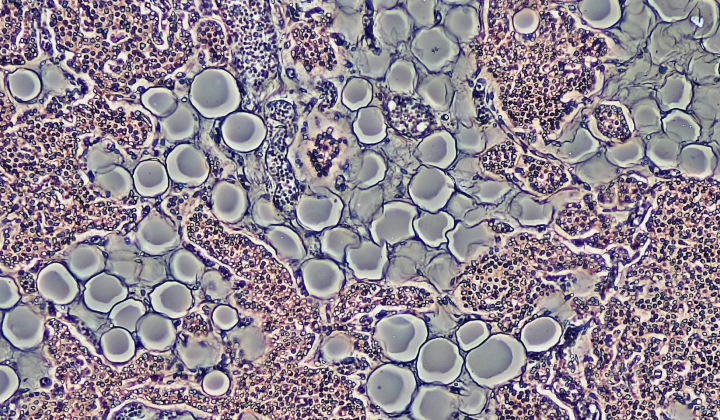
A Landmark Advancement in Regenerative Medicine
According to НВ — Техно: On October 21, 2023, scientists from the University of Bonn and Bonn University Hospital revealed a groundbreaking discovery in regenerative medicine. They pioneered a technique that directly converts immature red blood cells into neural stem cells, effectively reducing the molecular age of human cells by more than six decades. Their findings were published in the scientific journal Aging Cell.
Led by Professor Oliver Brüstle, the Bonn research team made significant strides by bypassing the pluripotent stage, which allowed them to closely monitor cellular rejuvenation over a period exceeding 100 days. By day 50, cells obtained from an 80-year-old donor exhibited characteristics typical of cells from a 20-year-old, demonstrating an impressive rejuvenation of roughly 60 years.
Implications and Future Potential
All tissues in the human body originate from a single fertilized egg and share the same genetic blueprint. Naturally, skin or blood cells do not switch their type spontaneously. While current biotechnological methods often rely on transcription factors to control cell development, the novel approach developed in Bonn opens new avenues for studying tissue regeneration and for testing compounds that could slow down or even reverse aging.
Age is a major risk factor for neurodegenerative diseases such as Alzheimer's, making this research particularly relevant for understanding and potentially treating these conditions. This new method not only advances fundamental science but also holds promise for future clinical applications.
"This breakthrough could revolutionize how we approach age-related diseases, enabling us not just to study aging mechanisms but to find ways to slow or even reverse them." - Professor Oliver Brüstle
Directly transforming red blood cells into neural stem cells may lay the foundation for innovative therapies aimed at combating neurodegenerative disorders like Alzheimer's, ultimately improving the quality of life for the elderly population.
In a related study, researchers have found that enhancing the minin protein in the hypothalamus, along with D-serine supplementation, can significantly improve memory and extend lifespan in mice. This discovery highlights the growing interest in understanding the biological mechanisms behind aging and memory enhancement, which complements the recent advancements in cellular reprogramming techniques. To learn more about these promising findings, visit how these studies are paving the way for innovative approaches to aging.

Read also