Proposed Heating System Law Could Raise Ukrainian Bills by 50%

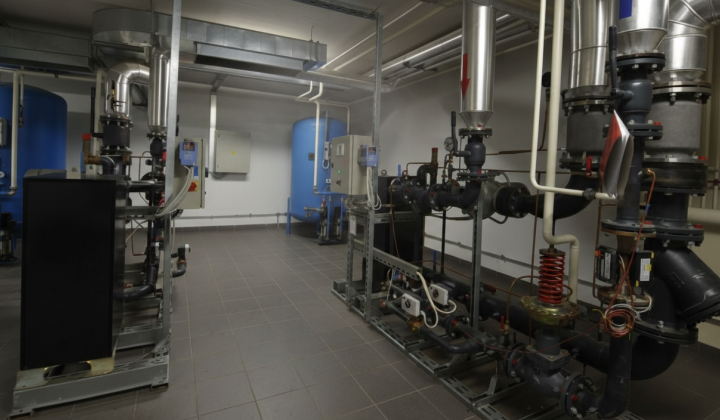
Draft Law on Individual Heating Units in Ukraine
According to ХВИЛЯ: A new draft law under consideration in Ukraine would mandate the installation of individual heating points (IHPs) in all multi-apartment buildings. Expert Oleg Popenko warns that implementing this law could lead to a substantial increase in heating tariffs-by up to one and a half times-without achieving any savings in heat consumption.
The legislation proposes the compulsory equipment of residential buildings with IHPs, which allow for the automatic regulation of heat supply based on outdoor temperatures. However, Oleg Popenko states that this project's implementation may result in higher utility payments for residents.
'Utility bills will increase by one and a half times. We will get an IHP, which we will pay for, and there will be no heat savings whatsoever', Oleg Popenko
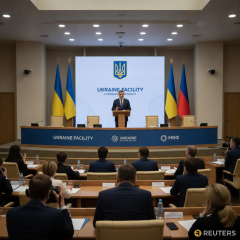
Discussion of the draft law took place during an online meeting of the relevant committee of the Verkhovna Rada, attended by MPs, representatives of heating utilities, industry associations, and grant organizations. Popenko also emphasized that under the guise of a benefit for the population, citizens might receive new, significantly larger utility bills.
Potential Consequences of IHP Implementation
Consequently, the new IHP law is causing concern among experts and the public, as its implementation could lead to significant financial burdens for Ukrainians. This comes as many households are already facing economic pressure from the ongoing war.
The introduction of individual heating points is part of the government's efforts to modernize Ukraine's heating system. However, as experts note, it is crucial to carefully assess the potential consequences for the population, particularly regarding financial costs. In conditions of economic instability, the issue of tariff increases becomes especially sensitive, and its discussion requires broad public and expert engagement to find optimal solutions.

Read also