UN Warns US Withdrawal from Paris Agreement and Rising Emissions Could Push Global Temperatures to 2.8°C

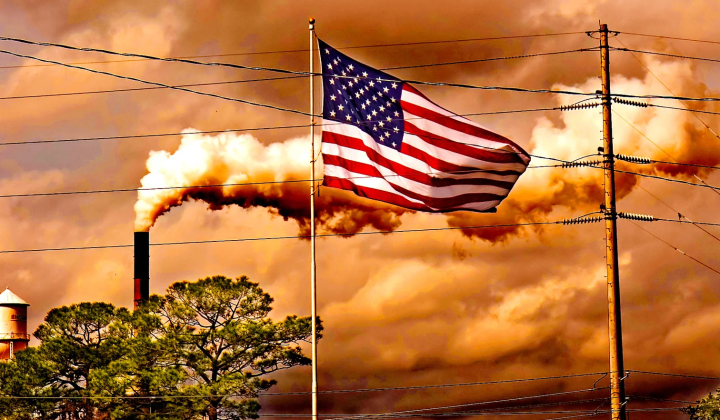
How US Departure from the Paris Agreement Accelerates Global Warming
According to НВ — Техно: The United Nations has issued a stark warning that the United States' exit from the Paris climate accord, combined with increasing greenhouse gas emissions, is worsening global warming projections. According to the United Nations Environment Programme (UNEP), if all countries meet their climate commitments, the Earth's temperature is expected to rise by 2.6°C by 2100. However, failure to achieve promised emissions reductions could elevate warming to 2.8°C. Notably, US emissions surged by 133 million tonnes of CO2 in 2025 alone, accounting for nearly 70% of the total increase of 189 million tonnes across 124 countries.
Currently, the planet has warmed approximately 1.4°C above pre-industrial levels. To mitigate climate risks, global carbon emissions must be cut by 18% by 2030 and 69% by 2040. Changes in US climate policy alone could add about 0.1°C to global warming by century’s end, intensifying heatwaves, destructive floods, crop failures, and ecosystem threats. As climate scientist Bill Hare emphasized,
"Even this seemingly small difference will have significant impacts."
The Crucial Role of Global Cooperation in Climate Action
UN Secretary-General António Guterres highlighted that while the world has dangerously drifted away from its climate goals, there remains an opportunity to reverse course. Achieving a safer climate trajectory requires the aforementioned steep emissions cuts by 2030 and 2040. Inger Andersen, head of UNEP, stressed that
"rapid and large-scale emissions reductions remain essential to limit future climate risks."
This situation underscores the vital importance of international collaboration to meet climate targets. The US, as one of the largest greenhouse gas emitters, plays a pivotal role in global efforts. How other nations respond and uphold their commitments will be decisive in limiting global warming. Implementing and supporting effective national policies is key to reversing harmful emissions trends and safeguarding the planet's future.
The alarming rise in global temperatures is not just a future concern; it is happening now. Recent predictions indicate that scientists anticipate a significant temperature increase beyond 1.5°C within the next few years, intensifying the urgency for immediate climate action. Understanding these projections is crucial as they highlight the direct consequences of current emissions trends and the need for collaborative efforts to address this global challenge.

Read also