South Korean Opposition Condemns Government Over Ukraine Tensions and Prepares Letter to Zelensky

South Korean Government Faces Backlash Amid Rising Strains with Ukraine
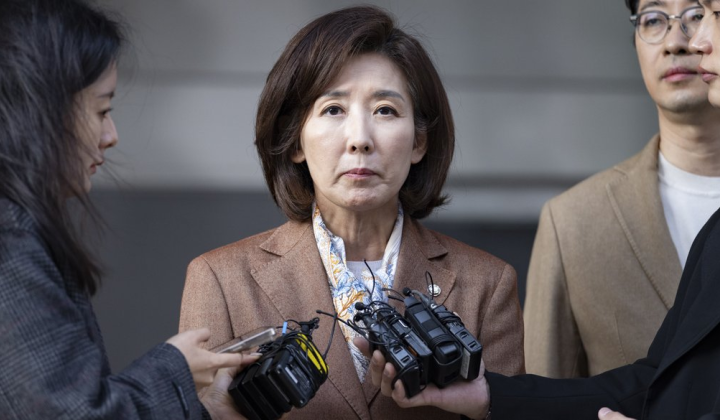
According to Рубрика — Політика: The main opposition party in South Korea, the People Power Party led by Na Kyung-won, has sharply criticized the government for escalating tensions with Ukraine while failing to denounce Russia and North Korea. Na Kyung-won intends to send a letter to Ukrainian President Volodymyr Zelensky to express her stance on the evolving situation. Meanwhile, South Korean President Lee Jae-myung has accused Ukraine of violating agreements following Zelensky's speech at the United Nations General Assembly.
Prisoner of War Issue and Its Diplomatic Fallout
During his address, Zelensky revealed that Ukraine had handed over two North Korean prisoners of war to South Korea. These soldiers were captured by Ukrainian forces in January 2025 while fighting alongside Russia. President Lee emphasized the highly sensitive nature of repatriating these prisoners, warning that it could significantly impact diplomatic relations, national security, and stability on the Korean Peninsula.
On October 8, South Korea recalled its ambassador to Ukraine, Park Ki-chan, just six days after President Lee threatened further measures. Na Kyung-won criticized Lee’s administration for failing to protest against North Korea, whose mines have harmed South Korean troops along the Demilitarized Zone, or against Russia, the aggressor nation. Instead, she pointed out, the government responded with hostility toward Ukraine’s goodwill in agreeing to the prisoners’ repatriation.
"The president, his office, and the government have repeatedly expressed emotional outrage, fueling a diplomatic crisis of their own making. Their actions raise serious doubts about their true intentions both domestically and internationally." - Na Kyung-won
This episode highlights the complexity of diplomatic ties between South Korea and Ukraine amid the ongoing war in Ukraine and geopolitical pressures from North Korea and Russia. The ambassador’s recall and opposition criticism risk further straining bilateral relations and complicating future cooperation. These developments underscore the critical need for diplomatic efforts to foster constructive dialogue and mutual understanding in an increasingly volatile global environment.
As tensions escalate, the South Korean government is under increasing scrutiny for its handling of the situation involving Ukraine. This follows demands for an apology from Ukraine regarding the disclosure of North Korean POW transfers, which adds another layer of complexity to the diplomatic fallout. The opposition's response highlights the fragility of international relations in this critical moment.

Read also