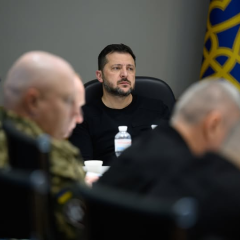
Putin Faces Growing Pressure from Inner Circle to End the War in Ukraine

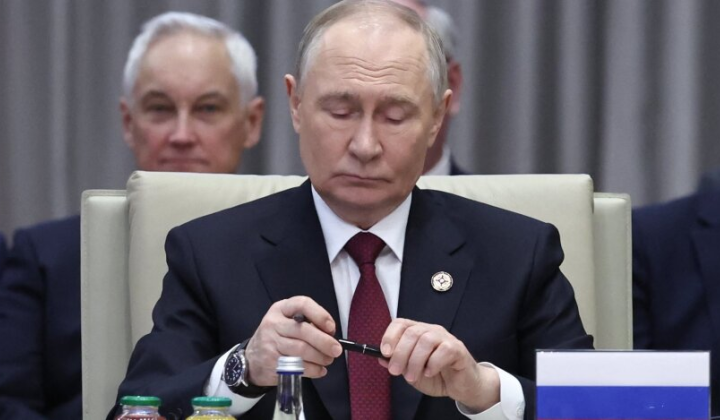
Mounting Pressure on Putin to Halt Ukraine Conflict
According to ХВИЛЯ: Analyst Mark Galeotti reports that Vladimir Putin is increasingly being urged by his inner circle to bring the war in Ukraine to a close. Following last weekend's Victory Day parade, Putin met with World War II veterans and suggested that the conflict with Ukraine might soon end. On the front lines, Russian forces are making slow progress toward Kramatorsk and Sloviansk, a situation that has raised alarms among both military and political leaders.
A leaked February report prepared for the Russian Presidential Administration outlines the risks of prolonging the war. The political dangers are described in stark terms within the document. Specifically, the report’s authors state:
“Spending another year and hundreds of thousands of people to capture a few cities that will by then be nothing but ruins no longer seems reasonable to them.”
This indicates a growing discontent among Putin's circle regarding the continuation of hostilities. The report also suggests the possibility of freezing the front line without capturing the rest of Donbas. This may signal a readiness within the Russian leadership to consider compromise amid rising economic and political costs tied to the war. As the report’s authors note:
“We must know when to stop.”
Putin has also commented on the conflict’s achievements, claiming that “Putin bent the West. We thwarted Western plans to expand and prolong the conflict.” These remarks may be an attempt to boost morale among troops and the public against the backdrop of a critical front-line situation.
Thus, the pressure on Putin from his inner circle is intensifying as the war drags on. The situation in Ukraine remains complex, and future decisions by Russian leadership could significantly shape the course of events.
Internal Rifts Within Russia’s Political Establishment
The growing pressure on President Putin highlights internal divisions within the Russian political establishment over the war’s next steps. As the economic and social toll of the conflict becomes increasingly tangible, the prospect of a compromise or a halt to military operations may be considered as a way to mitigate negative consequences.
In this context, it is crucial to monitor both the Russian leadership’s response and the international community’s reaction to any potential shifts in Moscow’s policy.
As the pressure mounts on Putin from his inner circle, the growing fatigue and despair among the Russian population may also play a crucial role in shaping the future of the conflict. Insights into the public sentiment in Russia reveal a significant shift that could influence the Kremlin's decision-making process. For a deeper understanding of how these factors might compel Putin to reconsider his stance, explore more about the increasing discontent within Russia.

Read also