Essential Winter Care Tips for Dogs: Protecting Paws, Nutrition, and Cold-Weather Walks

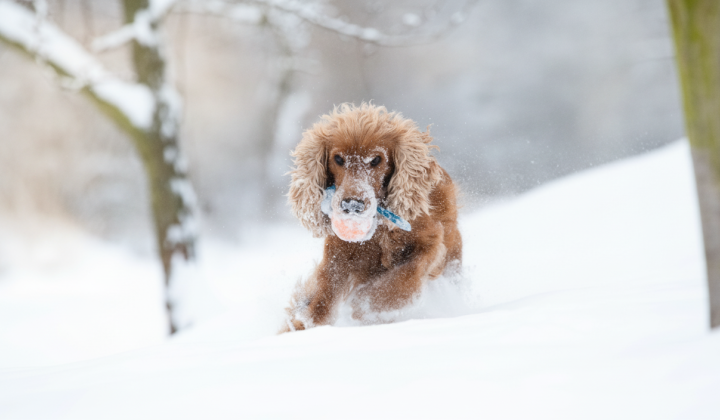
How to Care for Dogs During Winter
According to Рубрика — Суспільство: As winter approaches, dog owners must adapt their care routines to protect their pets from harsh cold conditions. Low temperatures pose particular risks to puppies, senior dogs, and breeds with short coats. While dogs with thick undercoats generally handle the cold better, those sensitive to freezing weather-especially below 0 °C-may require extra protection. Following a few key guidelines will help keep your dog safe and comfortable throughout the chilly months.
Preparing for Walks and Home Care
Before heading outdoors, it's crucial to shield your dog’s paws. Applying a protective wax or a thin layer of petroleum jelly about 10 minutes before a walk can guard the paw pads from irritation caused by salt and de-icing chemicals commonly used on sidewalks during winter. After returning home, wash your dog's paws with warm water and dry them thoroughly to remove any harmful residues. If your dog starts shivering, lifting its paws, or slowing down, it’s best to cut the walk short.
At home, care for your dog’s coat by drying and brushing it after exposure to wet snow or rain. This prevents matting and helps maintain skin warmth. Regarding diet, Malgorzata Glowacka, a veterinary nutritionist and Mars Polska’s Animal Nutrition Scientific Director, emphasizes:
“Pets living indoors don’t require seasonal changes in their diet. A balanced daily meal is sufficient.” - Malgorzata Glowacka
For indoor dogs, there’s no need to increase food portions during winter since a well-balanced diet meets all nutritional needs when properly measured.
Outdoor dogs, on the other hand, may need higher-calorie meals to support the extra energy they expend keeping warm. Offering slightly warmed wet food or dry food softened with warm water is recommended. Providing warm shelter and occasional access indoors is also essential. Avoid feeding dogs fatty, salty, or spicy foods, as these can cause digestive problems. Additionally, toxic items like chocolate, grapes, and raisins must be strictly kept away from pets.
During extreme cold, adjust the duration of walks based on the dog’s breed, age, and health. Shortening outdoor time doesn’t mean reducing activity altogether. Engaging your dog in 15-20 minutes of mental stimulation games daily helps maintain their well-being and energy levels. By following these straightforward recommendations, owners can ensure their dogs remain cozy, healthy, and safe throughout the winter season.
Providing proper winter care reflects responsible pet ownership. Understanding your dog’s unique needs during cold weather minimizes health risks and creates a safe environment. Heeding expert advice on nutrition, outdoor activity, and grooming supports your dog’s vitality and comfort when temperatures drop.

Read also