New Insights into Princess Shat-Eshtar’s Estate and Mesopotamian Economy Revealed by Fifteen Ur III Cuneiform Tablets

Unveiling the Cuneiform Tablets
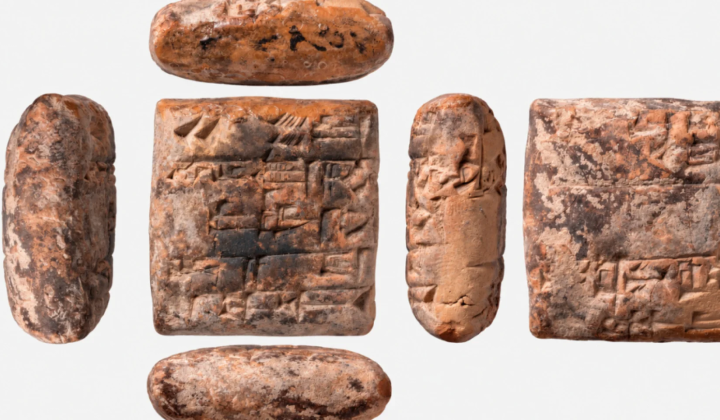
According to НВ — Техно: Fifteen cuneiform tablets housed in the Iraqi Museum, dating from the Ur III period (circa 2112–2004 BCE), have shed fresh light on the economic and administrative workings of southern Mesopotamia. These artifacts specifically illuminate the estate of royal princess Shat-Eshtar, located in the Umma region. The documents reveal that the estate managed a diverse array of economic activities, including:
- grain production
- orchard cultivation
- animal husbandry
- food processing
- textile manufacturing
Historical records identify Shat-Eshtar as the daughter of a king and the wife of Sharakam. Positioned near the border between Umma and Girsu/Lagash, her estate employed a wide range of workers - artisans, guards, kitchen staff, laborers, and performers. One tablet details the monthly allocation of 810 liters of barley to workers, highlighting the structured labor management on the estate. The texts also mention groups of Elamites, ox herders, and junior shepherds.
Economic Operations of the Estate
Another tablet records expenditures over seven months across 45.36 hectares, including 18,796 liters of barley. Laborers were compensated with grain for tasks such as digging the Sisa canal and transporting barley to Pashime. The estate’s administrator, Zarik, oversaw grain storage, wage distribution, and agricultural management.
The tablets also bring to light previously unknown place names like the Me-Lamasim canal and the Nanna-gugal irrigation system. Acquired by the Iraqi Museum between 2005 and 2008 through confiscations and returns by Jordanian authorities, some tablets originated from illicit excavations, complicating the reconstruction of Shat-Eshtar’s archive. The texts feature unusual orthographies, mixed documentary formulas, jargon, and occasional Akkadian usage.
German scholars Abater Rahi Saadun, Noemi Borrelli, and Maurizio Viano introduced an AI tool named Palaeographicum, developed by the University of Würzburg, the Academy of Sciences and Literature in Mainz, and the Technical University of Dortmund. This technology analyzes digitized images of cuneiform tablets and compares sign shapes, significantly advancing the study and interpretation of ancient inscriptions.
These discoveries are pivotal for understanding the social and economic frameworks of ancient Mesopotamia and offer valuable perspectives on the individuals behind them. They particularly enhance appreciation of women’s roles in ancient societies, exemplified by Princess Shat-Eshtar’s influence on economic affairs. The integration of AI into archaeological research opens promising avenues for future breakthroughs in the field.

Read also