Ukrainian Orthodox Church Dismisses Nikodim's Election as Patriarch by Marginalized Faction

Developments in Ukrainian Orthodoxy
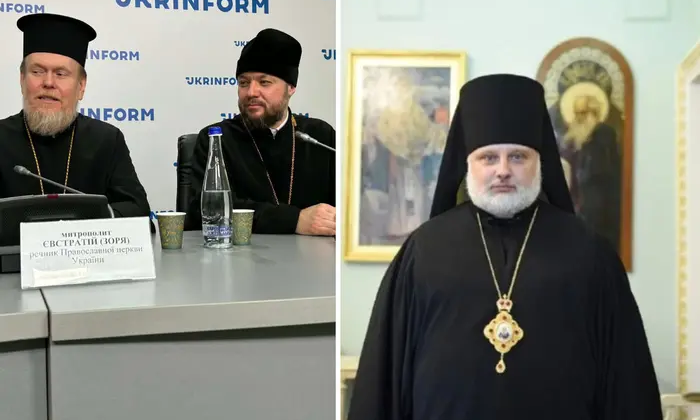
According to Главком: Following the passing of His Holiness Patriarch Filaret, a group of seven bishops from the Ukrainian Orthodox Church of the Kyiv Patriarchate (UOC-KP) convened an online vote the next day. They elected Archbishop of Sumy and Okhtyrka Nikodim (secular name Volodymyr Kobzar) as the new Patriarch. The Orthodox Church of Ukraine (OCU) has strongly rejected this move. Its spokesman, Metropolitan Yevstratiy (Zorya), described the faction as marginal and isolated, claiming it has the backing of only a limited number of parishes.
Metropolitan Yevstratiy stated that, based on an assessment of Facebook activity, a maximum of about ten communities across various regions support Nikodim's group. 'About ten. In different regions. No more,' he emphasized. This internal dispute is part of a broader struggle for influence within Ukrainian Orthodoxy, which has been fragmented since the country's independence.
The archbishop's group published a 'joint statement of the bishops of the UOC-KP' on Nikodim's social media, alleging that the OCU forcibly removed Patriarch Filaret's body from the hospital to St. Michael's Cathedral. The act of election, also published online, declared that Nikodim was 'unanimously elected Patriarch of Kyiv and all Rus-Ukraine by secret ballot.'
Legitimacy and Consequences of the Conflict
From the perspective of the Kyiv Metropolis and the Orthodox Church of Ukraine, Metropolitan Yevstratiy asserted that this gathering was 'nothing other than an unlawful assembly, and its participants are subject to church condemnation.' These events highlight deep internal divisions and directly challenge the legitimacy of the newly elected patriarch in the eyes of major church structures.
The situation reflects the complex processes unfolding within Ukrainian Orthodoxy, particularly concerning spiritual influence and legitimacy. The conflict between different branches of the Orthodox church in Ukraine could have far-reaching consequences for the country's religious landscape, affecting communities and their identity. The ongoing developments underscore the need for dialogue and potential resolution of internal disputes to stabilize the religious sphere in Ukraine.
The ongoing tensions within Ukrainian Orthodoxy are further complicated by the Orthodox Church's recent condemnation of attempts to revive the Kyiv Patriarchate. This situation illustrates the significant divisions that have emerged in the wake of Patriarch Filaret's passing. For a deeper understanding of the church's stance on this controversial revival, see our detailed coverage on the matter here.

Read also