Pentagon Urges Baltic States to Tone Down Anti-Russia Rhetoric Amid Peace Talks

Pentagon and NATO's Strategic Push
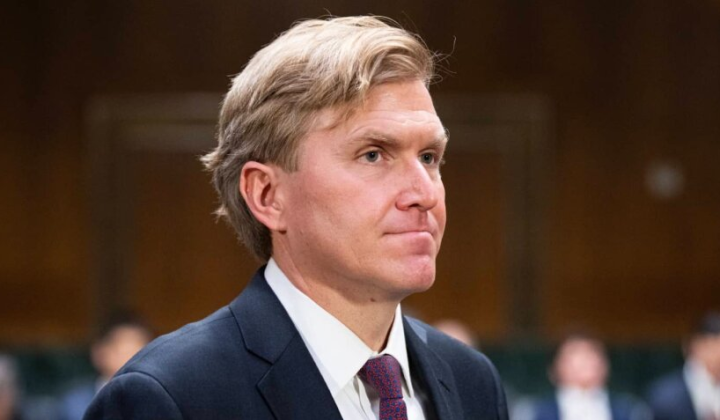
According to ХВИЛЯ: In recent weeks, Pentagon officials have reached out to NATO members, specifically Lithuania, Latvia, and Estonia, requesting a softer public stance on the perceived Russian threat. This appeal comes as part of the Trump administration’s ongoing efforts to resolve the five-year-long conflict in Ukraine. Elbridge Colby, Deputy Assistant Secretary of Defense for Policy, has played a key role in communicating Washington’s position to its Baltic allies.
Alongside these diplomatic efforts, the United States is reviewing the deployment of its forces across Europe, potentially scaling back troop presence. Washington emphasizes the importance of NATO countries taking greater responsibility for their own defense, given the U.S. focus shifting toward other global priorities. Meanwhile, debates continue within NATO about how openly to portray the Russian threat. Baltic intelligence agencies have consistently downplayed the likelihood of a Russian breach of NATO borders, while other intelligence services have warned of an escalating sabotage campaign by Moscow.
Reactions and Security Incidents
At the end of September, Estonian Prime Minister Kristen Michal described Russian President Vladimir Putin as a "cornered rat," prompting the Pentagon to advise the Estonian delegation to adopt more restrained language. These requests were made during bilateral meetings, though Lithuania, Latvia, and Estonia’s defense ministries have declined to comment, and NATO has also refrained from making statements on the matter.
Germany recently reported a rise in sabotage activities attributed to Russia, highlighted by several incidents including the arrest of two Belarusians suspected of planning arson attacks on critical infrastructure near Nuremberg. In September, the German government accused Russia of attempting a drone attack on Leipzig/Halle Airport, a claim Moscow has denied.
U.S. officials are also engaging with Russia on potential business agreements as part of the Trump administration’s peace initiatives. A European official underscored the need for caution in messaging, stating:
"It’s important not to provoke the Russians."
He added, "We’re here to support you. The Americans stand with you. Just keep it low-key. Avoid making a scene." These remarks highlight the delicate balance in international relations amid rising tensions in the region.
The dynamics between NATO and Russia remain a focal point for global security, as European stability hinges on these interactions. The Pentagon’s appeal to the Baltic nations likely reflects a strategic effort by the U.S. to reduce escalation risks while encouraging European partners to enhance their defense capabilities. At the same time, the growing number of sabotage attempts underscores the urgent need for vigilance and preparedness against potential Russian threats.

Read also