Ukrainian Displaced Woman Shares Insights on High Rent and Utility Costs Across the Netherlands, Georgia, and Bulgaria

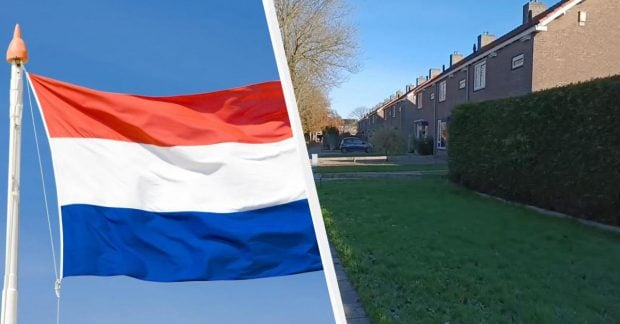
Living Conditions for Ukrainians in the Netherlands
According to УНІАН — Туризм: A woman who relocated from the Kherson region recently visited family in the Netherlands and shared her observations about housing rental prices, heating costs, and everyday living standards there. She highlighted that life in Europe isn’t always easy, with heating and rent expenses often reaching substantial amounts. Interestingly, her son-in-law, a Dutch blogger, remarked that impoverished Ukrainians tend to live better than their Dutch counterparts facing similar financial struggles.
In the village of Gaudum, for example, about half of the residents rent their homes. The basic rent for a small social housing unit in the Netherlands is around 700 euros monthly. However, when factoring in utilities such as gas, electricity, waste management, sewage, and heating, total monthly costs can reach approximately 1,500 euros. Larger two-family houses can exceed 2,000 euros per month during winter, while rental prices in Amsterdam often hover near 2,500 euros.
Contrasting Living Environments
The Ukrainian woman noted that her daughter’s home in the Netherlands is kept at about 16°C during winter, with rooms warmed up to 20°C twice daily. By comparison, her own house in left-bank Kherson cools to around 17°C overnight. She also pointed out that leaving the heating on overnight in the Netherlands cost roughly 50 euros, underscoring the high utility bills there.
Many Dutch residents rent their entire lives without owning property. Social housing often accommodates pensioners and young families, but the apartments are typically small, with very cramped kitchens and bathrooms. The displaced woman described the space as follows:
“The bathroom is tiny, like a mouse hole. The kitchen is just two by two meters, and the bedroom only fits a bed and a chair. The largest room is four by three meters, which is just enough to breathe comfortably.”
Her son-in-law, who traveled to Kyiv and Kherson before the full-scale invasion began, believes that poor Ukrainians live better than poor Dutch people. She shared his perspective: “He said that after seeing how we live and visiting both Kyiv and Kherson, poor Ukrainians have a better life than poor Dutch.”
Additionally, she compared her experience with that of another Ukrainian, Anna Dobrovolska, who moved to Georgia after spending three years in Bulgaria. In Batumi, a one-bedroom apartment can be rented for around $400 without deposit or realtor fees, while in Varna, Bulgaria, rents start at 500 euros and often require double deposits plus realtor fees that can reach 100%. Utility bills in Georgia generally range between $50 and $70, whereas in Bulgaria they can be as high as 150 to 200 euros.
These observations highlight the significant differences in living costs across countries and the challenges Ukrainians face when settling abroad.
The experiences shared by this displaced woman illustrate the difficult circumstances Ukrainians endure after being forced to flee their homes due to the ongoing conflict. Comparing housing and utility expenses in the Netherlands, Georgia, and Bulgaria reveals how economic and social factors shape quality of life. Furthermore, it emphasizes the necessity for societal support and understanding for those affected by the war. Despite the burden of high rent and utility costs, Ukrainians abroad continue striving to adapt and improve their living conditions.
While the situation in the Netherlands presents its own challenges, it's important to explore how rent and utility expenses compare in other regions. For instance, in Bucharest, Albania, and Egypt, the financial landscape for Ukrainians can differ significantly. Understanding these variations can provide valuable insights into the living conditions faced by displaced individuals. To learn more about what Ukrainians pay for housing in these areas, check out our detailed analysis on rental costs and utilities.

Read also