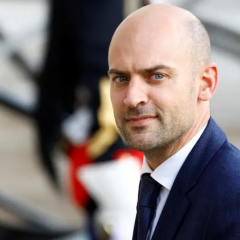
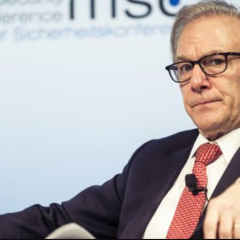
In Odesa, Petro Poroshenko Highlights Army Strengthening, Sanctions on Russia, and Ukraine’s Euro-Atlantic Integration

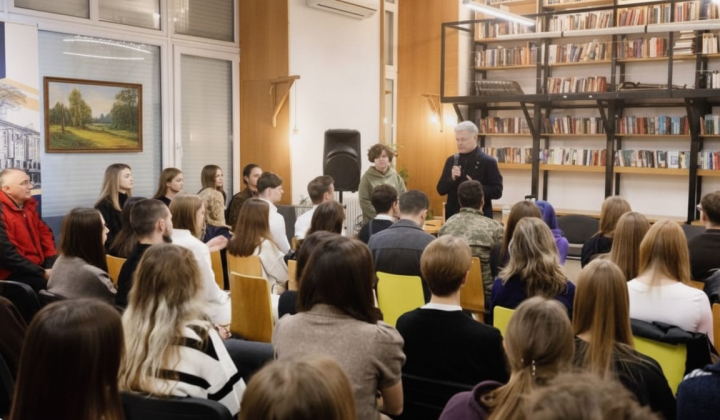
Outlook on Ending the Russia-Ukraine War
According to 5 канал: During his visit to Odesa, Petro Poroshenko shared his vision for bringing the Russia-Ukraine conflict to a close, emphasizing several key elements:
- enhancing Ukraine’s military capabilities
- applying economic pressure on Russia
- maintaining solidarity with Western allies
- developing long-range weaponry
- securing international backing and sanctions
He also stressed the importance of Ukraine’s European and Euro-Atlantic integration, alongside protecting Ukrainian identity in Odesa. For international audiences, it is crucial to understand that Ukraine’s alignment with Western institutions plays a central role in its strategy to resist Russian aggression.
Funding Priorities and Military Support
Poroshenko identified increasing financial support for the Ukrainian Armed Forces as a top priority. He proposed reallocating 500 billion hryvnias, which he believes are currently spent inefficiently, to boost defense resources. Additionally, he suggested raising soldiers’ pay and advancing the development of Ukraine’s long-range weapon systems, including missile production and upgrading strike drones. These efforts aim to disrupt Russian military logistics, oil refineries, and defense industries.
He warned against negotiating an end to the war without Kyiv’s involvement and called for a unified stance among European nations in talks with Moscow. Poroshenko also urged the cessation of Russian oil transit through the “Druzhba” pipeline. His proposals included preparing for a ceasefire with enforcement mechanisms, constructing fortifications, and deploying allied military contingents.
Highlighting the ongoing relevance of NATO membership for Ukraine, Poroshenko named European and Euro-Atlantic integration, investment attraction, and technological development as post-war priorities. He recalled how, in 2014, the people of Odesa played a crucial role in thwarting Russia’s “Novorossiya” project. Speaking at the European Parliament, he reported rising civilian casualties from Russian attacks and called on European countries to increase military aid, intensify sanctions on Moscow, and collaborate on security guarantees.
“Achieving peace requires strengthening Ukraine’s military, applying economic pressure on Russia, and preserving unity with Western partners,” Poroshenko stated.
Poroshenko’s recent remarks underline Ukraine’s strategic framework for resolving the conflict with Russia, focusing on military reinforcement and international support. His concrete proposals could significantly influence Western partners’ decisions on military assistance and economic sanctions, which are vital for boosting Ukraine’s defense capabilities. Against the backdrop of persistent threats from Russia, this stance may help forge a unified international front in support of Ukraine’s sovereignty.
In light of Poroshenko's emphasis on military strengthening and international collaboration, understanding the specific conditions he proposes for achieving lasting peace becomes essential. His outlined strategies not only address immediate defense needs but also set a framework for future negotiations. To explore these critical conditions for ending the conflict, you can read more in our detailed coverage on securing peace in Ukraine.

Read also