Poland Warns EU Against Negotiating with Russia Without Considering Eastern Europe's Interests

Poland’s Warning on the Ukraine Conflict
According to ХВИЛЯ: Poland urges its European partners not to seek peace agreements with Russia that overlook the concerns of Eastern Europe. Home to nearly 120 million people, this region has borne the brunt of the ongoing conflict since Russia’s annexation of Crimea in 2014 and the full-scale invasion launched in February 2022.
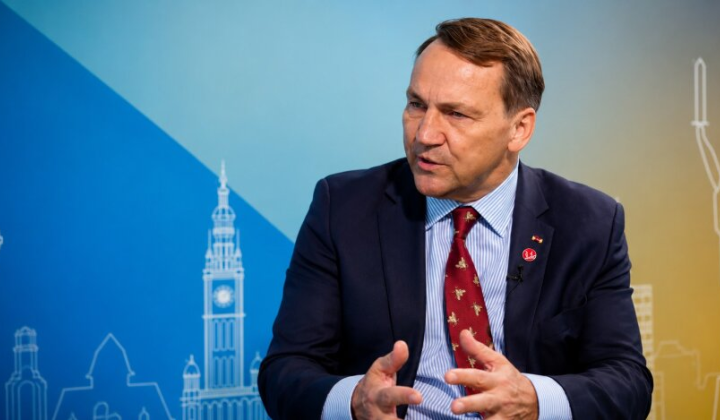
Prime Minister Donald Tusk and Foreign Minister Radosław Sikorski have voiced serious apprehension about any deals made without the involvement of Eastern European nations. Sikorski emphasized,
“The last thing we want is for Western Europe to negotiate with Russia over the heads of Eastern Europeans.”
He further stressed the importance of including Eastern Europe and Scandinavia in discussions, pointing out their shared borders with Russia and the direct threats to their security.
Upcoming Talks and Energy Concerns
Next week, technical-level trilateral talks in Abu Dhabi will bring together Ukraine, Russia, and the United States to explore potential conflict resolution avenues. Ahead of these meetings, Finland’s President Sauli Niinistö, Norway’s Prime Minister Jonas Gahr Støre, and Russian President Vladimir Putin exchanged views during a phone call. France, Germany, the United Kingdom, the European Commission, and NATO stand ready to join multilateral negotiations following the Abu Dhabi talks.
Polish officials also express alarm about the prospect of resuming Russian gas supplies to Europe. Poland’s Energy Minister, Michał Kurtyka, condemned the idea as "absurd," warning that anyone who believes purchasing Russian gas can buy time is engaging in a short-sighted and costly strategy. He affirmed that Poland’s stance remains firm regardless of the government in power.
Donald Tusk additionally cautioned about the risk of escalating threats from Russia, highlighting the Baltics and Poland as likely initial targets. He remarked, “It is very difficult to distinguish between hybrid warfare, cyberattacks, and provocations near Russia and Kaliningrad,” underscoring the complexity of the security environment.
Regarding the negotiation format, Sikorski advocated for Europe’s legitimate representation in peace talks, noting, “We are paying the price for this war,” and stressing that stakes are higher for Eastern Europe because the conflict directly endangers their security. He also called for strict adherence to the Lisbon Treaty, which defines the EU’s common foreign policy.
In summary, Poland and other Eastern European countries continue to assert their concerns amid the ongoing conflict, emphasizing the necessity to factor their interests into any peace process. This reflects deep political divides between Western and Eastern Europe and highlights the urgent need for enhanced unity and coordination on security matters. Recognizing Eastern Europe’s perspectives will be crucial to maintaining regional stability amid escalating threats from Russia.
As the situation evolves, the complexities surrounding the Ukraine conflict continue to unfold. In this context, the recent stance taken by Putin regarding the Donbas region highlights the challenges European leaders face in pursuing a balanced approach to peace negotiations. Understanding these dynamics is crucial for grasping the broader implications for Eastern Europe and the ongoing geopolitical tensions.

Read also