Polish Geostrategist Labels the US a Predatory Hegemon

The Shifting Role of the United States on the Global Stage
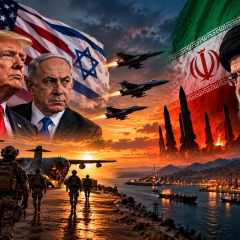
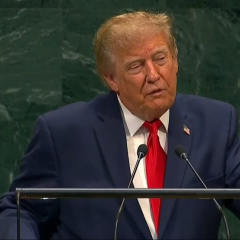
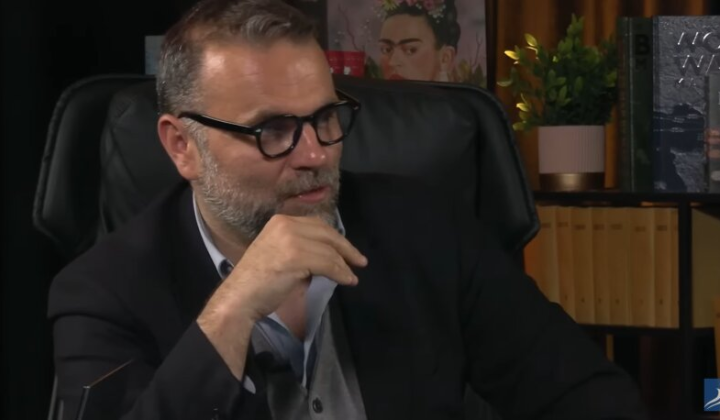
According to ХВИЛЯ: In a column published on the Patronite platform, Polish geostrategist Jacek Bartoszczak argues that the United States has transitioned from a 'soft hegemon' to a 'predatory hegemon,' now demanding concessions from weaker partners. He attributes this shift to the policies of Donald Trump, which have heightened tensions between Washington and other nations. Bartoszczak also warns of a potential coalition forming to counter U.S. influence and advises Poland to reduce its reliance on America.
Bartoszczak notes that the previous U.S. model-often described as a 'benevolent hegemon' or 'soft hegemon'-was based on the Crowe Memorandum. He explains that the old logic was 'the closer to Washington, the better,' but that dynamic has since changed. According to him, the breaking point came with Trump's rise to power. Albert Świdziński has characterized Washington's behavior as an 'exit scam,' highlighting the new U.S. approach to international relations.
Poland's Image on the World Stage
A key focus of the column is how Poland is perceived internationally. Bartoszczak asserts that some countries view Poland as a vassal state. He notes that Ukrainians, Russians, and Chinese see Warsaw from this perspective, while the French and Germans regard Poland as a 'Trojan horse' for the U.S. in Europe. Bartoszczak emphasizes that China 'did not bend an inch' under Trump, illustrating a new dynamic in global affairs.
In Bartoszczak's view, the new U.S. model is 'tough on the weak and accommodating to the strong.' This suggests Washington may demand concessions from nations lacking the strength or resources to resist. 'They simply lack the power and resources,' he remarks, pointing to the vulnerability of many states in their dealings with the U.S. In light of these changes, Bartoszczak recommends that Poland 'deleverage American influence over Warsaw,' a step that could strengthen the country's independence on the international stage.
Overall, Jacek Bartoszczak's analysis highlights significant shifts in global politics that could affect Poland's position and its future relationship with the United States. The changing role of the U.S., along with new approaches to international policy, may have major implications for regional security and stability. It could also prompt other countries to rethink their strategies for engaging with Washington. As a key player in Europe, Poland may consider these recommendations in the context of bolstering its independence and international partnerships.
As the geopolitical landscape evolves, the implications of U.S. foreign policy are becoming increasingly significant. Notably, Scarborough's recent critique of Trump's actions during his visit to Beijing underscores the growing concerns among allies regarding America's reliability. This development further illustrates the shifting dynamics that Bartoszczak discusses, highlighting the potential risks for nations navigating their relationships with the U.S.

Read also