Anatoly Kashpirovsky has died: how the psychotherapist became famous
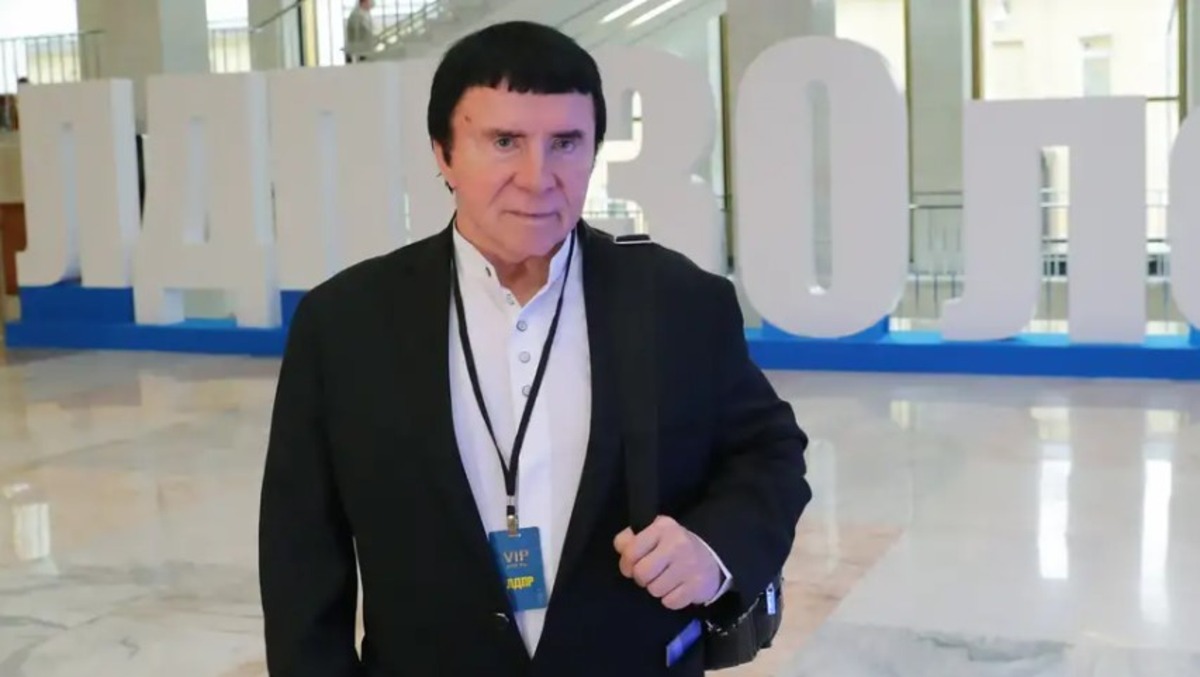
Anatoly Kashpirovsky passed away at the age of 87. He gained nationwide popularity during the late 1980s television sessions, during which he promised to heal viewers from a distance. Later, he became a member of the State Duma of Russia and participated in negotiations during the hostage crisis in Budyonnovsk. Interest in his performances lasted for decades: in 2024, he returned to paid sessions. The death was reported by DW channel.
How television sessions made Kashpirovsky famous
During the perestroika era, Kashpirovsky became one of the most recognizable figures on Soviet television. He conducted sessions during which he addressed the audience through the screen, assuring them that he could influence people's health from a distance.
In his performances, he gave viewers 'suggestions' for recovery, well-being, and prosperity. These broadcasts attracted enormous audiences, and Kashpirovsky was often referred to as a psychic. In 2024, the Russian Academy of Sciences labeled his methods 'absolute pseudoscience'.
Before his television fame, he worked for about 25 years at a psychiatric hospital in Vinnitsa. Kashpirovsky was born in 1939 in the village of Stavnytsia, graduated from Vinnitsa Medical Institute, and subsequently transitioned to public speaking.
Deputyship and negotiations in Budyonnovsk
In 1993, Kashpirovsky was elected as a deputy of the first convocation of the State Duma of Russia from the Liberal Democratic Party. Two years later, he took part in negotiations with terrorists who had taken hostages in Budyonnovsk hospital. That same year, he left the party and resigned his deputy powers.
His public career combined medical practice, TV sessions, and politics. Interest in his methods did not wane over the decades: in 2024, Kashpirovsky resumed paid performances, and Inkorr discussed the cost of his sessions.
Kashpirovsky's story became a part of the television culture of late USSR, when millions of people followed his broadcasts and believed in remote healing. At the same time, his methods received no scientific validation. For another prominent figure in the field of medicine, human rights activist Semyon Gluzman, read the material about his life and work.

Read also