Preventing Fires and Explosions with Portable Power Stations in 2026 Blackouts

Ensuring Safety When Using Portable Power Stations
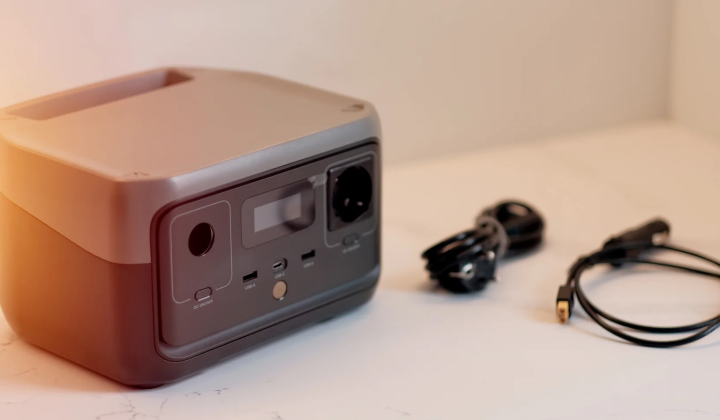
According to НВ — Техно: By 2026, portable power stations have become essential household devices, providing lighting and communication during blackout events. However, their rising popularity has been accompanied by an increase in explosions and fires, often caused by operational errors, overheating, improper connections, temperature fluctuations, and the use of low-quality accessories. To use these devices safely, it is crucial to follow specific safety guidelines and regularly monitor their condition.
These power stations typically consist of a battery pack, an inverter, and a control board. They use lithium-ion (NMC) or lithium iron phosphate (LiFePO4) battery cells, with the latter considered more stable and safer. Despite this, misuse can lead to severe hazards. For example, reverse current short circuits may occur if an apartment's electrical grid is connected through makeshift 'plug-to-plug' cables. Leaving the input circuit breaker switched on while powering the household from the station can cause short circuits, explosions, or fires.
Signs of Malfunction and Safety Precautions
Overheating often happens when the station operates at maximum capacity or is charged too quickly. Poor ventilation, such as placing the unit directly against a wall or fabric, can also cause heat buildup and ignite fires. Sudden temperature changes, like moving the station from cold outdoors to a warm indoor environment, may create condensation that leads to short circuits. Using cheap homemade adapters or exceeding the device’s peak power rating can damage the power station.
Warning signs of device issues include:
- loud fan noises,
- excessive heat on the device’s exterior,
- smells resembling heated plastic, ozone, or chemicals.
Other indicators of trouble are sudden fluctuations in battery percentage, unexpected shutdowns, and visible swelling of the casing. To maintain safe operation, users should:
- keep at least 15–20 cm of free space around the station for ventilation,
- charge the unit exclusively with the manufacturer’s original cable,
- allow the device to warm to room temperature for 2–3 hours after exposure to cold weather.
It’s advisable to use dedicated extension cords or have a professional install a proper backup power switch to supply electricity safely to your home.
Remember, never attempt to extinguish a smoking or flaming power station with water.
In case of fire, unplug the device immediately, evacuate all people and pets, and close the room’s door to contain smoke. Powder or carbon dioxide fire extinguishers are recommended. Because toxic fumes can be released during combustion, emergency services should be called if flames are visible.
With the growing reliance on portable power stations, following these safety practices is vital to avoid dangerous incidents and ensure uninterrupted device performance during power outages.
As these stations become more common in everyday life, educating users on safe handling and potential risks is essential. Consumers must adhere to manufacturer guidelines to prevent accidents. During frequent blackouts, these devices play a key role in maintaining comfort, but their safe use must remain a top priority.

Read also