World Fencing Championships Relocated After Blaze Engulfs Rio Velodrome

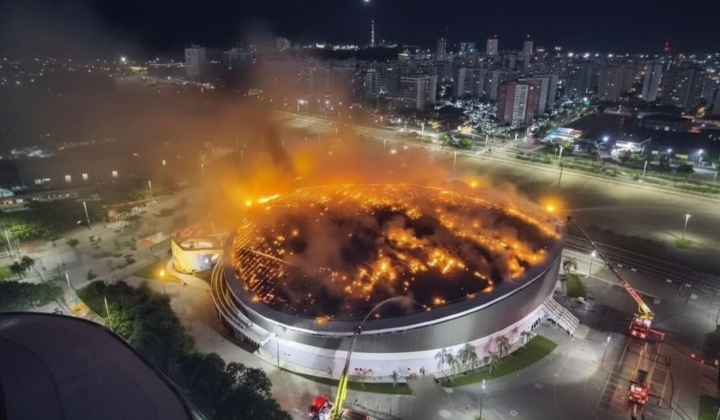
Fire Breaks Out at Rio de Janeiro Velodrome
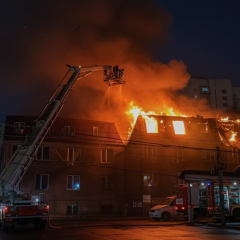
According to Главком: A major fire erupted at the Velodrome in Rio de Janeiro on April 8, 2026. The blaze started at 4:17 AM local time and rapidly spread across the arena's roof. The venue, located in the Barra da Tijuca district within the Olympic Park on Avenida Embaixador Abelardo Bueno, was hosting the Junior and Cadet World Fencing Championships at the time of the incident. The Velodrome was the final venue completed for the 2016 Summer Olympics, constructed at a cost exceeding 143 million reals.
Approximately 60 firefighters from six units and over 20 specialized vehicles were deployed to battle the flames. While no casualties or injuries were reported, a significant portion of the roof structure was destroyed. Experts are currently assessing the damage to the roof and a museum area, as the Velodrome had also housed a 1,700-square-meter Museum of the Olympic Movement since August of the previous year. This museum contained unique artifacts, medals, and interactive exhibits, making the fire a blow to sporting and cultural heritage.
Impact on Competition and Cultural Legacy
In response to the emergency, all scheduled matches for the tournament were urgently relocated to the neighboring Carioca Arena, which had initially been reserved solely for the final rounds. This incident underscores the vulnerability of major sporting infrastructure years after a global event like the Olympics. The fire represents a significant setback for event organizers, impacting not only the sports facility but also a repository of Olympic history.
This incident highlights the critical importance of safety at combined sports and cultural venues, especially when hosting events of such significance.
- Unknown Author
The Velodrome fire is likely to have long-term consequences for both future tournament scheduling and the preservation of Olympic cultural heritage. Assessing the full damage and restoring the facility will require considerable time and resources, which may affect the organizers' future plans and the development of sports infrastructure in the region.

Read also