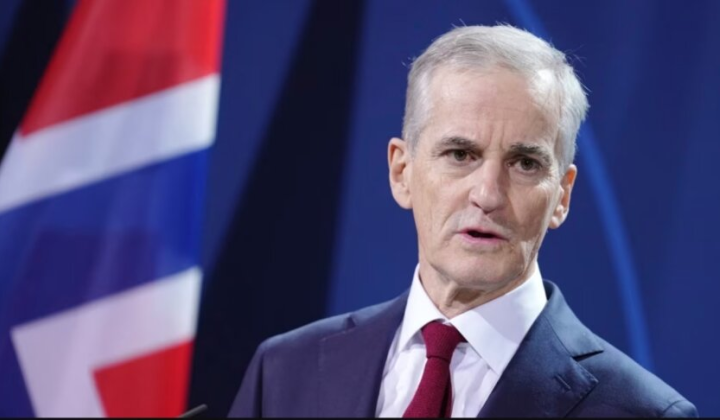
Norwegian PM Støre's 90-Minute Call with Putin Precedes Key Abu Dhabi Talks

High-Level Dialogue Between Norway and Russia
According to ХВИЛЯ: At the end of October, Norway’s Prime Minister Jonas Gahr Støre engaged in an extensive 90-minute telephone conversation with Russian President Vladimir Putin. This exchange alarmed several European nations, including Denmark and Latvia. Recently, Norway and Finland have played active roles in trying to preserve the peace process, hosting U.S. special envoy Steve Witkoff and Ukrainian President Volodymyr Zelensky in Oslo last month. The next round of negotiations involving Moscow, Kyiv, and Washington is scheduled for November 10-11 in Abu Dhabi.
Støre tempered expectations for the upcoming talks, describing Abu Dhabi as a stepping stone rather than a breakthrough. He emphasized that one of the goals is to ensure the talks continue promptly afterward. Key discussion points on the agenda include:
- a ceasefire in the Black Sea to secure grain shipments,
- an energy truce,
- freezing the current front lines,
- confidence-building measures such as prisoner exchanges,
- and security guarantees.
Støre and Finnish President Alexander Stubb reached out to the Kremlin on October 27, a move that raised concerns among European countries that have largely cut ties with Putin since Russia’s full-scale invasion of Ukraine. Meanwhile, European leaders are set to decide on their representative for the forthcoming talks during an informal summit in Dublin this week. Reflecting on the dynamics, Støre remarked:
"Let's be clear: Putin is not isolated. The only voice that truly reaches Moscow comes from Washington."
Europe’s Security Landscape Amid Conflict
The conflict in Europe persists, and Norway is closely watching potential U.S. initiatives aimed at reshaping the continent’s security framework. Former U.S. President Donald Trump has pushed for an agreement, suggesting a peace deal is near. His son-in-law Jared Kushner has expressed intentions to craft practical arrangements that address the security concerns of all parties involved. Nevertheless, Støre believes that fundamental decisions about Europe's security architecture should come only after the war concludes, stating: "Any issues regarding Europe’s security framework need to be addressed post-conflict."
Some European officials acknowledge that Trump’s criticisms have strained NATO, but Støre maintains that "NATO remains strong." He also cautioned against expecting a swift end to the war without dialogue, saying, "To go month after month hoping the war will end without Europe engaging Russia is, in my view, an illusion." Ahead of the negotiations, he stressed the importance of ensuring that European perspectives reach Putin, affirming:
"We believe it’s crucial that European voices convey to Putin why and how we support Ukraine."
The conversation between Støre and Putin highlights the critical role of diplomatic engagement during ongoing conflicts, despite widespread European apprehension about renewing ties with Russia. Norway and Finland’s efforts to maintain dialogue and facilitate peace efforts underscore their commitment to regional stability. While the upcoming Abu Dhabi talks represent a significant milestone in seeking conflict resolution, expectations for substantial progress remain cautiously modest.
As Norway and Finland navigate their diplomatic engagements with Russia, it is crucial to understand the broader context of these interactions. Recent communications have taken place with Ukraine's approval, setting the stage for upcoming three-party discussions that may influence the outcome of the ongoing conflict. These developments highlight the intricate balance of diplomacy in a volatile European security landscape.

Read also