Slovak Prime Minister Fico Refuses NATO Article 5 Commitment, Rejects Military Support to Allies

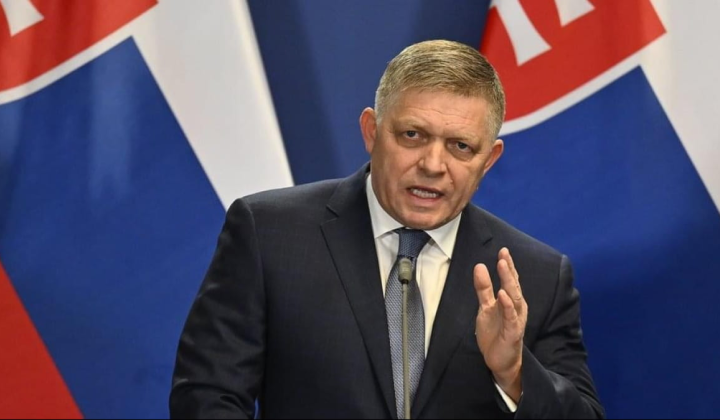
Statements from Slovakia's Prime Minister
According to 5 канал: Slovakia’s Prime Minister Robert Fico has declared his refusal to honor the collective defense clause outlined in NATO’s Article 5, which mandates allied military support if any member is attacked. Speaking to students and hospital staff in Prešov, Fico openly dismissed the principle of NATO’s collective security and stated that Slovakia will not deploy troops to assist partner nations.
Notably, Fico refrained from labeling Russia as an aggressor or a threat to Europe during his remarks. Instead, he criticized European Union leaders for adopting a bellicose tone. He remarked,
“It seems there is sometimes a tendency to replace the inability to address issues like illegal migration, competitiveness, and high energy prices with aggressive rhetoric: ‘Let’s fight, let’s fight.’ For God’s sake, who exactly are we supposed to be fighting? With whom?”
Energy Policy and NATO Article 5 Concerns
Fico further expressed skepticism about the practical application of NATO’s Article 5. He questioned the feasibility of mobilizing large numbers of troops without clear purpose or knowledge of the adversary.
“Can you imagine, ladies and gentlemen, Article 5 being invoked? Can anyone picture us being told to prepare 5,000 or 10,000 soldiers to go fight somewhere? And yet, we wouldn’t even know against whom, why, or for what reason. I do not want Slovakia dragged into any military conflict because of Article 5. As Prime Minister, I will do everything to ensure Slovakia never gets involved in such a war,”
he emphasized.
Amid these political declarations, Russian oil exports through the Druzhba pipeline to Hungary and Slovakia have surged to 165,000 barrels per day, up significantly from just 55,000 barrels per day in April. Additionally, Slovakia plans to block the EU’s 20th sanctions package against Russia, highlighting its distinct stance on European security and energy issues.
The Prime Minister’s statements mark a notable shift in Slovakia’s foreign policy direction, potentially impacting its relationships within NATO and the European Union. The restoration of Russian oil supplies and opposition to new sanctions underline Slovakia’s intent to maintain energy ties with Russia despite regional tensions. These developments raise concerns about Slovakia’s reliability as a NATO ally and could deepen divisions within European security policy.

Read also