President Zelensky Approves New SBU Declaration Law Amid Upcoming Staff Overhaul Following 'Khimprom' Drug Cartel Scandal

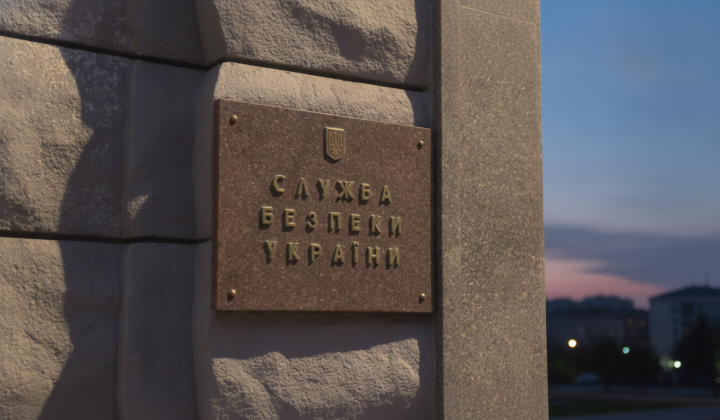
Staff Reshuffle in the Security Service and the Drug Cartel Investigation
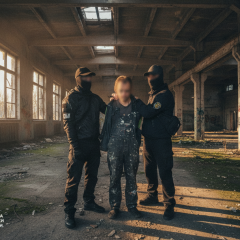
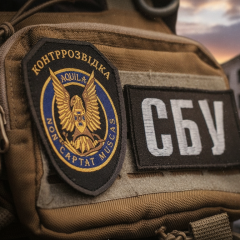
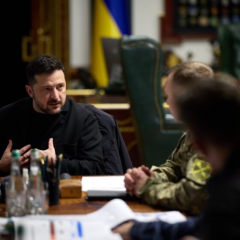
According to ХВИЛЯ: In response to the 'Khimprom' drug cartel scandal, Ukraine's Security Service (SBU) is preparing significant personnel changes and reinstating mandatory declarations for all employees. President Volodymyr Zelensky has signed the relevant legislation and called on the Verkhovna Rada to pass it without delay. The National Anti-Corruption Bureau of Ukraine's (NABU) operation 'Carthage' uncovered links between the 'Khimprom' cartel and high-ranking officials within the SBU, National Police, and Prosecutor General's Office, as well as criminal figures. On November 4, SBU chief Oleksandr Poklad dismissed two senior officers implicated in the probe.
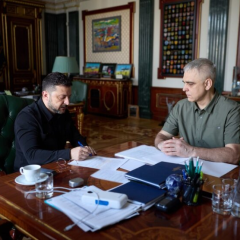
“Regrettably, this week brought deeply troubling news about the SBU-blatantly unacceptable and disgraceful. As a result, dismissals have already taken place within the Security Service, and further personnel decisions will follow.” – Volodymyr Zelensky
The president emphasized the need for a thorough investigation to ensure that all those who ordered these crimes and violence against citizens are held accountable. He also revealed that intelligence about a criminal who has begun trafficking synthetic drugs into Germany via Poland will be shared with international partners, including the United States.
Security Challenges and Infrastructure Updates in Ukraine
On the night of November 7, Russian forces launched six ballistic missiles targeting Kyiv's Northern Bridge, with four successfully hitting their mark. In response, Zelensky consulted with Prime Minister Serhiy Koretsky and Interior Minister Ivan Vyhivskyi to develop alternative transportation plans for the capital. While Ukraine currently produces more electricity than it consumes, Russian strikes have caused shortages in Kyiv and other regions. Ivan Fedorov, head of the Reconstruction Agency, reported ongoing restoration efforts in Dnipro, Kryvyi Rih, Kyiv region, and Zhytomyr.
November will see Ukraine’s active participation in key international forums such as the G7, the Coalition of the Willing, and the Ramstein meetings. These gatherings are expected to result in enhanced air defense capabilities and increased energy support. Ukrainian forces, including the 95th Air Assault Brigade, continue to make advances on the Oleksandrivka front. Additionally, the Navy’s mobile 'Neptune' missile unit successfully struck Russian military production facilities in the Rostov and Oryol regions.
These developments highlight Ukraine's intensified efforts to combat corruption and drug-related crime amidst ongoing wartime pressures. The planned reforms within the SBU reflect a drive to restore public trust and strengthen law enforcement effectiveness during this critical period. At the same time, Russia’s persistent aggression continues to destabilize Ukraine’s security environment, threatening not only its territorial integrity but also the country’s energy infrastructure.
In light of the ongoing security threats, as highlighted by recent missile strikes targeting energy infrastructure, it is crucial to understand the broader implications for Ukraine's defense strategy. The recent escalation in attacks has prompted discussions on enhancing national security measures. For further insights on the impact of these missile strikes across various regions, including Dnipro and Kyiv, you can read more about it here.

Read also