Identifying Water Leaks in Washing Machines: Causes, Diagnosis, and Repair Tips

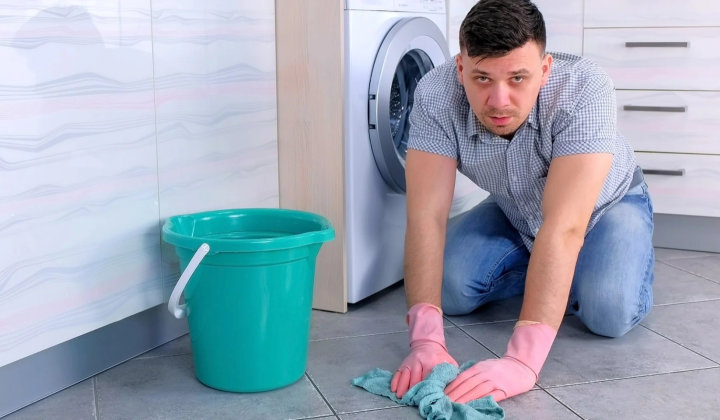
Understanding Washing Machine Water Leak Issues
According to НВ — Техно: Water leaks from washing machines are a common hassle that can disrupt daily routines and cause damage. Frequent culprits include excessive detergent use and worn-out parts. This guide explores how to diagnose leaks, perform repairs, and offers advice on preventing future problems to keep your machine running smoothly.
What Triggers Water Leakage?
One major cause of puddles beneath washing machines is using too much detergent. When the drum agitates, especially during wool cycles, excessive foam can overflow through the detergent drawer onto the floor. Following detergent dosage guidelines is essential to avoid this foam overflow.
Drainage problems can also arise from incorrect installation of the corrugated drain hose. The hose should not extend more than 15 centimeters into the sewage pipe, and the entry point must be elevated at least 60 centimeters above the floor to ensure proper water flow.
The drain filter, usually located behind the lower panel, is another potential leak source. If its cap isn’t tightly sealed or if debris accumulates inside, water may escape during draining. Regularly cleaning this filter helps prevent such leaks.
Leaks can also result from deterioration of the rubber door gasket, which hardens and loses its shape over time. Additionally, the plastic detergent drawer may become clogged with hardened detergent residues, blocking water channels. Removing the drawer and soaking it in hot water with vinegar, then scrubbing with a toothbrush, is a good way to clear these blockages.
Monitoring the drum bearings is equally important. Noisy sounds during spinning, along with dark or rusty stains under the machine, can indicate bearing wear. Water leaking through a damaged bearing seal can wash away lubrication, leading to further damage. Modern washing machines often require replacing the entire drum assembly if bearings fail, as many have plastic drums that are sealed units.
Leaks beneath the heating element (TEN) may occur due to the rubber seal drying out from limescale buildup and temperature changes. Tightening the central nut or replacing the heating element can resolve these leaks.
To reduce the risk of leaks, it’s advisable to:
- Use detergent within recommended amounts;
- Clean the drain filter regularly;
- Check clothing pockets before washing.
Adopting these simple habits can help maintain your washing machine’s performance and prevent many common issues.
Being familiar with the main reasons behind washing machine water leaks and how to fix them can significantly minimize breakdowns and extend the appliance’s lifespan. By following straightforward maintenance tips, users can save on repair costs and ensure their machines operate efficiently - highlighting the importance of routine care in household appliance management.
While addressing issues with washing machine leaks is crucial, understanding similar problems in other appliances can also be beneficial. For instance, if you're facing inconsistent water levels in your coffee machine, it might be worth exploring how to resolve water level sensor issues. Knowing how to maintain all your appliances can prevent headaches and extend their lifespan.

Read also