How Employee Wellbeing Programs Drive Productivity and Foster Loyalty

Employee Wellbeing in the Modern Workplace
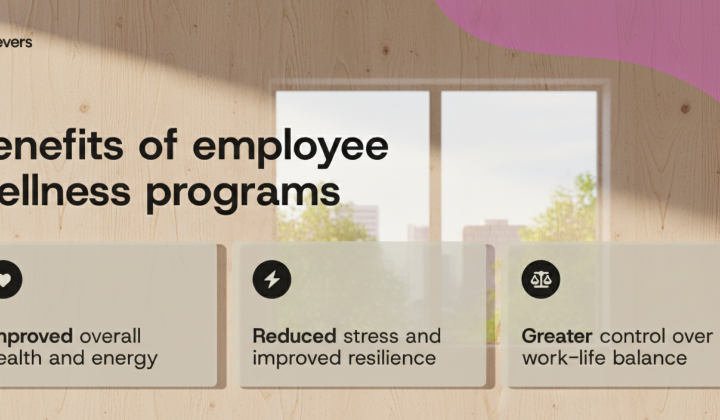
According to Achievers: The focus on employee wellbeing has become a central concern for contemporary businesses. These comprehensive programs are designed to support both the physical and mental health of staff, thereby increasing their overall job satisfaction. According to a 2026 study by the Achievers Workforce Institute (AWI), employees who feel appreciated are 47 times more likely to feel supported in their wellbeing, highlighting the critical role of a positive and supportive company culture.
Core Elements of Effective Wellbeing Initiatives
Successful employee wellbeing programs incorporate several essential components. These typically include:
- Fitness or nutritional resources
- Stress management sessions
- Mental health support
- Preventative health screenings
- Flexible work options
- Social events
AWI data confirms these elements are vital for cultivating a healthy work environment. Employees with strong workplace connections and regular recognition are 12.8 times more likely to feel their wellbeing is supported and 56 times more likely to feel aligned with company values. This underscores the necessity of fostering robust relationships among colleagues and with leadership.
The research further emphasizes the importance of work-life balance. Employees who achieve this balance are 2.5 times less likely to seek other employment and 2.5 times more likely to envision a long-term career with their current company. This demonstrates a direct link between job satisfaction and employee retention. Key drivers of wellbeing, per AWI, include a sense of connection and gratitude, strong alignment with people and culture, and a sustainable work-life balance.
Measuring the success of these programs involves a structured process. The first step is defining clear objectives, followed by tracking participation and gathering feedback. Next, companies must measure the impact on key outcomes, then iterate and optimize the program. The final stage involves reporting and sharing insights. Notably, the Achievers platform boasts a 93% activation rate, indicating its effectiveness in engaging employees with wellbeing initiatives.
This growing emphasis on employee wellbeing reflects a significant shift in human resources management, as companies increasingly recognize that a content workforce is a fundamental driver of business success. In today's competitive job market, implementing robust wellbeing programs can provide a strategic advantage for attracting and retaining top talent.
Research shows that employees who feel appreciated are 47 times more likely to feel supported in their wellbeing. - Achievers Workforce Institute

Read also