How Employee Wellness Programs Can Save Businesses Thousands in Absence Costs

Employee Absenteeism: A Major Financial Drain on Businesses
According to Achievers: Unplanned employee absences can cost companies up to $3,600 per worker annually, creating a significant impact on a business's bottom line. In response, a growing number of organizations are implementing comprehensive employee wellness initiatives designed to reduce these costs. According to research from the Achievers Workforce Institute, employees who feel appreciated and engaged are 47 times more likely to feel supported in their overall well-being, a factor directly linked to higher productivity and company loyalty. This connection between well-being and attendance is a key driver for modern corporate strategy.
Core Components of an Effective Wellness Program
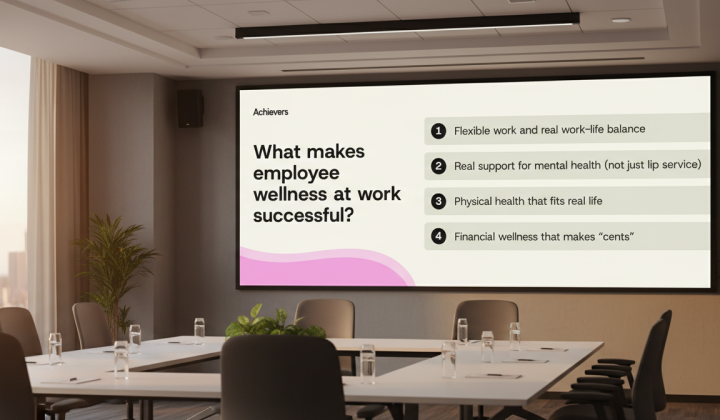
Successful employee wellness programs are typically built around four fundamental pillars:
- Flexible Work and Life Balance: This includes remote and hybrid work options, flexible scheduling, encouragement to take vacation, support for parents and caregivers, and designated no-meeting days or focus hours.
- Mental Health Support: This pillar encompasses Employee Assistance Programs (EAPs), mental health days, manager training, peer support and mindfulness programs, and confidential digital resources.
- Physical Health: This area covers fitness incentives and wellness programs, ergonomic workplace design, encouragement of movement, wellness challenges, and a healthy office environment.
- Financial Well-being: This includes financial counseling, student loan and tuition assistance, emergency savings programs, fair pay and transparency, and support for retirement planning.
Platforms like Achievers play a crucial role in executing these wellness strategies by offering recognition that drives engagement, rewards that reinforce healthy behaviors, and feedback mechanisms that improve program effectiveness. Implementing such initiatives can substantially lower absence-related expenses, thereby boosting overall business efficiency. In today's competitive environment, investing in employee well-being is increasingly seen as a strategic necessity rather than a mere perk.
Given that absenteeism costs can severely affect a company's financial stability, adopting robust wellness programs has become essential for many enterprises. These initiatives not only reduce the number of absent employees but also foster a more positive workplace culture, which in turn enhances overall productivity. Companies that prioritize their workforce's well-being are better positioned to attract and retain talent, giving them a distinct competitive advantage for long-term success and growth.

Read also