Putin Welcomes Talks with Macron and Merz, No Call Yet with Zelensky

Russia’s Engagement with Western Leaders
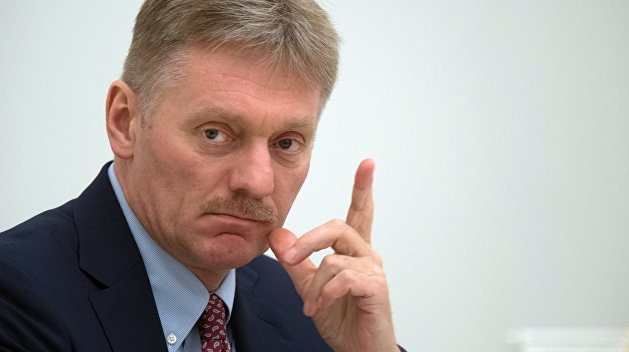
According to Рубрика — Політика: Kremlin spokesperson Dmitry Peskov revealed that Russian President Vladimir Putin remains open to discussions with foreign leaders, including French President Emmanuel Macron and German Chancellor Friedrich Merz. However, no clear indication has been given about a potential phone call between Putin and Ukrainian President Volodymyr Zelensky. Peskov noted that Zelensky has not yet initiated any calls, but emphasized that Putin "always answers" when leaders from other countries reach out.
Ongoing International Negotiations
On October 27, Finnish President Alexander Stubb and Norwegian Prime Minister Jonas Gahr Støre held a phone conversation with Putin, conducted with Ukraine’s agreement. Stubb described the dialogue as "frank and businesslike." Additionally, special envoys of former U.S. President Donald Trump, Steve Witkoff and Jared Kushner, have engaged in multiple talks with both Ukrainian and Russian officials. On October 21 in Saint Petersburg, Witkoff met with Putin, during which the Russian leader expressed willingness to resume trilateral talks involving the U.S., Ukraine, and Russia in early November.
President Zelensky confirmed that this three-way meeting is likely to take place between November 6 and 10, with the Kremlin acknowledging ongoing preparations. Abu Dhabi has been suggested as a possible location for the negotiations. The agenda is expected to cover:
- ceasefire measures related to energy infrastructure and maritime zones,
- the exchange of prisoners of war,
- the release of Ukrainian civilians detained in Russian prisons.
These diplomatic efforts highlight a surge in dialogue attempts amid the continuing conflict. Meetings between Russian and Western officials, along with planned trilateral talks, underscore the critical role of negotiation in managing the crisis. Nonetheless, the uncertain outcomes of these discussions may significantly influence the future trajectory of both regional stability and broader international relations.
As diplomatic efforts continue, the Kremlin's recent dismissal of Norway's proposal for an energy ceasefire adds another layer of complexity to the ongoing discussions. The implications of this rejection may influence the upcoming trilateral talks involving the U.S., Ukraine, and Russia. For a deeper understanding of the latest developments and how they relate to the current negotiations, read more about the Kremlin's stance on the energy ceasefire here.

Read also