Trump's Advisers Urge Him to Steer Clear of Impromptu Interviews, Citing Diplomatic Risks

Trump's Communication and Negotiation Strategy
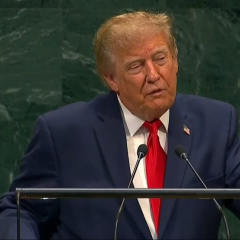
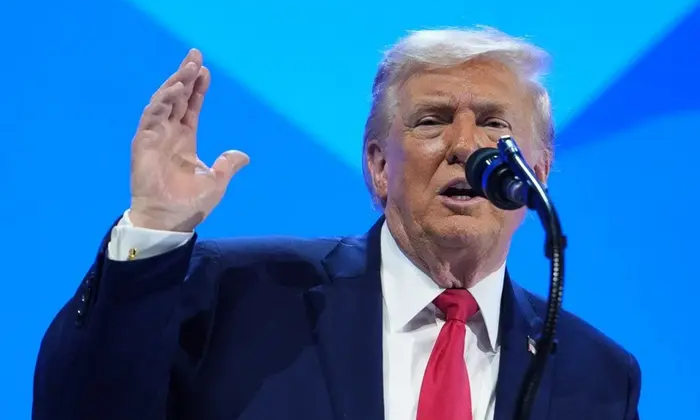
According to Главком: Advisers to U.S. President Donald Trump are urging him to avoid giving unscripted interviews, warning they pose a risk to sensitive negotiations and official communications. Trump frequently offers comments without coordinating with his team, creating discrepancies between his personal remarks and the administration's official stance. Despite recommendations from his closest aides to limit impromptu media engagements, Trump sometimes disregards this advice, though he has occasionally agreed to temporarily reduce his press contacts. This internal tension highlights the ongoing challenge of managing a president known for his direct and unpredictable communication style.
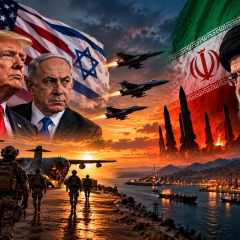
These public statements have occurred against a backdrop of escalating tensions in the Middle East and ongoing negotiations with Iran. Recently, the president has called journalists directly to offer comments that were not vetted by his team. Experts note such actions can complicate delicate diplomatic processes. In one instance, while speaking with his press secretary, Caroline Levitt, Trump joked that he had already informed reporters of important news, which she would only learn about after it was published.
Administrative Initiatives and Challenges
In other developments, President Trump signed an executive order on April 18 aimed at expanding research into psychedelic drugs. He also convened an emergency meeting in the White House Situation Room to discuss the heightened tensions around the Strait of Hormuz and the state of negotiations with Tehran. This meeting took place with just three days remaining before a ceasefire agreement was set to expire. However, a new phase of negotiations has yet to be agreed upon, creating additional challenges for the Trump administration.
The situation regarding Iran talks and the Strait of Hormuz is critically important for U.S. foreign policy. Trump's unvetted comments risk undermining international partners' trust in the United States and complicating efforts to reach a compromise with Tehran. Meanwhile, the move to research psychedelic drugs may indicate a broader policy focus on health and science, though such domestic initiatives can be overshadowed by international crises.
As the situation intensifies, the president's recent actions raise questions about the effectiveness of his communication strategy. To understand the implications of these decisions, including his emergency meeting on Iran amid a critical ceasefire deadline, it is essential to examine the broader context of his diplomatic approach and the challenges it presents.

Read also