Republicans Blame Trump for Midterm Defeat as Democrats Take Control of Congress

Republicans Attribute Midterm Losses to Trump’s Leadership
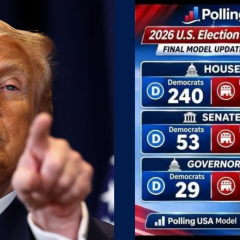
According to Рубрика — Політика: Following the recent midterm elections, many Republicans have pointed to former President Donald Trump as the primary cause of their party’s disappointing results. The Democrats gained control of both the House of Representatives and the Senate, securing unexpected victories in traditionally Republican strongholds like Texas, Kansas, and South Carolina. GOP insiders cite Trump’s unpopular policies, low approval ratings, and failure to address voters’ concerns as key factors behind the setback.
Political Reactions and Consequences
Texas Republican lobbyist Bill Miller described the defeat as a "complete repudiation of President Trump," stating:
"This is his fault. No one else is to blame here. This is a disaster of the highest order." - Bill Miller
Republican strategist Gregg Peppin echoed this sentiment, highlighting the voters’ rejection of Trump’s approach across multiple states, remarking, "It was just one mistake after another." Iowa’s Republican National Committee member Steve Scheffler acknowledged that Trump’s campaign messaging could have been handled differently.
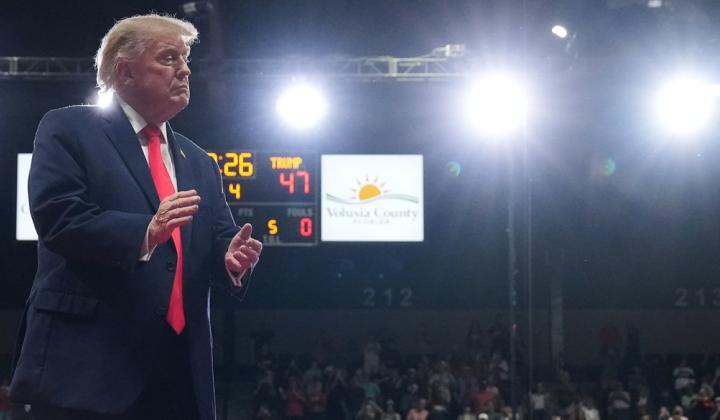
The election results carry significant implications for Trump’s political future and the Republican Party’s strategy leading up to the 2028 presidential race. With a Democratic majority in Congress, lawmakers plan to investigate Trump’s administration, block judicial nominees, and oppose his political initiatives. Trump remained mostly silent on election night but later posted on Truth Social claiming, "I was not on the ballot, but if I were, we would have won by a large margin." In interviews with The New York Times and Fox News, he admitted to being "a bit surprised" by the outcome and expressed willingness to "accept the results."
Republican candidates in Georgia, Michigan, and Texas underperformed, with Texas Senate candidate Ken Paxton’s campaign criticized as the poorest among all major party contenders. Democrat James Talarico ran a strong campaign in Texas. Michigan GOP youth leader Krish Matrani noted that while Trump couldn’t dedicate full-time attention to the midterms, his rallies still helped energize supporters.
Despite Trump holding dozens of campaign events before the elections, his focus shifted away in the summer toward issues like the conflict with Iran and infrastructure projects in Washington. Even with MAGA Inc., a super PAC linked to Trump, spending hundreds of millions to back Republican candidates, voters were unconvinced by Trump’s claims of economic improvements and progress in the Iran conflict.
Strategist Gregg Peppin expressed hope that the party is "turning the page on the Trump era," anticipating fresh political figures, new priorities, and different challenges ahead. Republicans have already begun discussions about the 2028 elections, recognizing the need for a strategic shift within the party.
These midterm results highlight serious challenges for the Republican Party and Donald Trump’s leadership. The losses in key Republican states suggest a shifting voter landscape that could heavily influence future elections. How the GOP responds will be crucial, potentially shaping its candidate slate, policy priorities, and political leadership as the 2028 presidential contest approaches.
As the political landscape shifts, the implications of these midterm results are profound. With the Democrats now holding a majority in Congress, they are poised to implement significant changes. For a deeper understanding of how these developments might impact Trump's future and the Republican strategy, explore our coverage on Democrats securing control in the Senate.

Read also