Ukrainian Railway Workers Targeted: Assistant Driver Killed in Russian Strikes on Locomotives


Strikes Hit Ukrzaliznytsia Locomotives
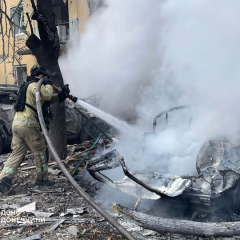
According to Главком: Russian forces launched attacks on locomotives operated by Ukraine's state railway company, Ukrzaliznytsia, in the Zaporizhzhia and Sumy regions. The strikes resulted in the death of an assistant driver, while the driver managed to reach safety. A total of three impacts were recorded: two in Zaporizhzhia and one in Sumy Oblast. Thanks to timely evacuations, two railway crews on site avoided casualties.
Statement from Ukrzaliznytsia's CEO
Oleksandr Pertsovskyi, Chairman of the Board of Ukrzaliznytsia, commented on the events: 'Today, the enemy continued its targeted strikes on our locomotives. Two hits in Zaporizhzhia and one in Sumy region. We managed to evacuate two crews in advance, and none of them were harmed. However, the third strike in Zaporizhzhia turned into a tragedy-the driver escaped to safety, but the assistant driver, who was in the rear cabin, could not be saved.'
Pertsovskyi added: 'We rescue dozens of railway teams every week, but every life taken by the enemy is a tragedy that stays with us forever and can never be undone. We stand with the families and loved ones, offering our full support and assistance.'
These attacks highlight the ongoing armed conflict and the dangers faced by Ukrzaliznytsia workers. Strikes on transport infrastructure pose serious risks to logistics and the safety of rail operations across Ukraine, disrupting critical supply chains and civilian travel.
- Protecting the lives of railway employees remains a top priority.
- Each loss represents a devastating blow to the entire community.
- Supporting the families of the deceased is a crucial responsibility in this difficult context.
The ongoing conflict continues to have dire consequences for railway personnel, as evidenced by another recent incident. In a separate attack, a railway worker was killed and another injured in the Sumy region. These incidents underscore the persistent threats faced by those working in vital transport roles, highlighting the urgent need for improved safety measures and support for affected families.

Read also