Hungarian Elections Targeted by Russian Interference Plot Led by Kiriyenko

Russia's Plan to Influence Hungary's Parliamentary Elections
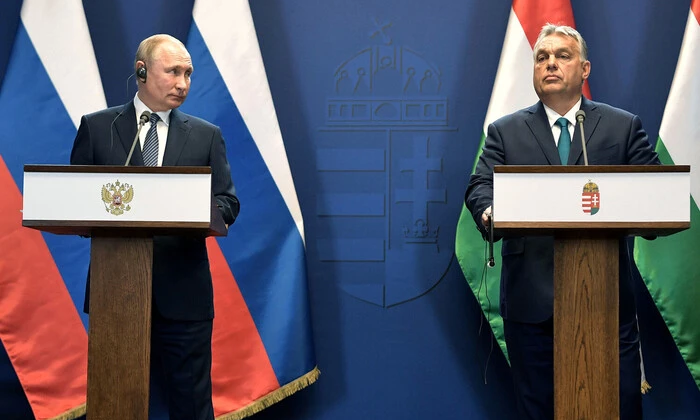
According to Главком: An investigation by VSquare reveals that Russia is preparing an operation to sway Hungary's upcoming parliamentary elections, with the aim of bolstering Prime Minister Viktor Orbán. The Kremlin has assigned coordination of this effort to Sergey Kiriyenko, the First Deputy Chief of Staff to President Vladimir Putin. Kiriyenko previously oversaw Russia's interference campaign in Moldova's 2024 presidential election, which employed tactics like voter bribery networks, troll farms, and local activists.
Strategy and Collaboration
For the Hungarian operation, Kiriyenko will collaborate with Vadim Titov, head of the Main Directorate for Strategic Partnerships and Cooperation. A key element involves embedding social media manipulation specialists within the Russian embassy in Budapest, where three such experts have already been issued official and diplomatic passports. Furthermore, Kiriyenko maintains contacts with organizers of the election campaign for Hungary's ruling Fidesz party.
In a related development, during a meeting with Hungarian Foreign Minister Péter Szijjártó, Vladimir Putin announced the release from Russian captivity of two soldiers who hold Hungarian citizenship.
"This matter was previously discussed with Hungarian Prime Minister Viktor Orbán,"
Putin stated. Szijjártó's urgent visit to Moscow also aimed to secure guarantees for stable Russian energy supplies to Hungary. This pattern of activity highlights Russia's use of both political and economic leverage to extend its influence in Central Europe, a region where Hungary has often pursued a more Russia-friendly policy than its EU and NATO allies.
Consequently, Russia continues to actively expand its regional influence through a combination of political manipulation and economic agreements. This situation underscores the critical need to monitor Hungary's foreign policy, as it could significantly reshape the political landscape of Central and Eastern Europe and affect relations between regional states and Russia. Amid rising tensions between the West and Moscow, Russia's actions in Hungary carry potential long-term implications for European security and stability.

Read also