Russia to File Complaint Against Baltic States at the International Court of Justice

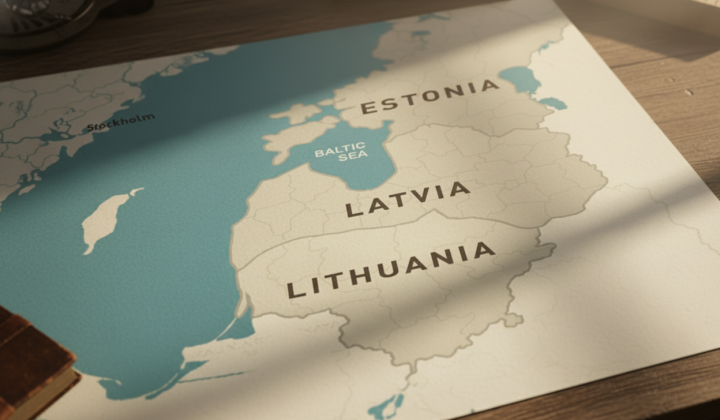
Moscow’s Grievances Toward the Baltic Nations
According to Главком: Russia is preparing to bring its disputes with Latvia, Lithuania, and Estonia before the International Court of Justice (ICJ). The Russian Foreign Ministry accuses these three countries of banning the Russian language and rewriting historical narratives. A ministry spokesperson stated that all diplomatic efforts to resolve these differences have failed, leaving Moscow with no choice but to pursue legal action.
Political Ramifications
Sergei Ordzhonikidze, a former UN deputy secretary-general, described Russia’s potential court filing as a political maneuver. He also highlighted that, for the first time in the ICJ’s history, there is no Russian judge on the bench.
“It is difficult to predict when the case will be heard or how it will be handled,”
Ordzhonikidze remarked. The proceedings could take years, given the court’s optional jurisdiction and its lack of enforcement mechanisms for its rulings.
Since Russia launched its full-scale invasion of Ukraine, the Baltic states have taken a series of countermeasures, including restricting entry for Russian citizens and dismantling Soviet-era monuments. Additionally, Kaupo Rosin, head of Estonia’s foreign intelligence service, warned that within four to five months, Vladimir Putin may lose his ability to negotiate from a position of strength. These developments underscore the escalating tensions between Russia and the Baltic nations, which Moscow claims are violating the rights of the Russian-speaking population.
Russia’s move to involve the ICJ highlights the deepening rift between Moscow and the Baltic states. These three countries, home to sizable Russian-speaking communities, have responded firmly to Russia’s aggressive policies, prompting fresh accusations from the Kremlin. The outcome of this legal challenge could affect regional stability, especially amid the ongoing war in Ukraine and broader geopolitical strains across Europe.
The geopolitical landscape continues to shift as Russia's legal actions coincide with significant changes in its military strategy. Recently, Putin was granted unprecedented powers to deploy troops abroad, a move that could further escalate tensions in the region. This development highlights Moscow's increasing assertiveness and the potential for broader military engagement, making the situation more complex for the Baltic states and their response strategies.

Read also