Russia's 'Shadow Fleet' Evades Sanctions by Jamming GPS Signals

Russia's Deployment of GPS Spoofing Technology
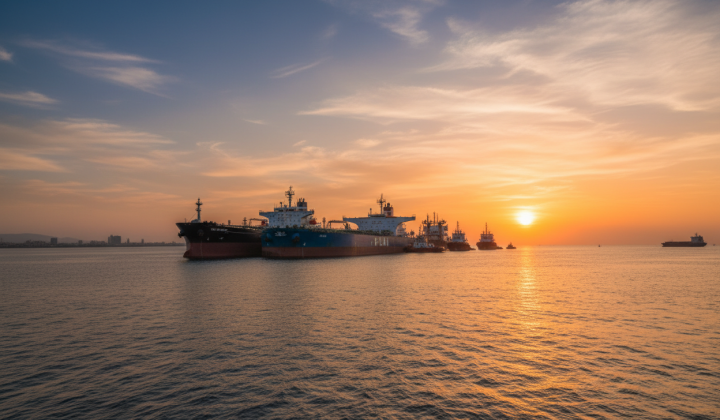
According to Главком: The Russian Federation is actively deploying GPS spoofing technology to conceal the movements of vessels in its so-called 'shadow fleet,' particularly tankers carrying oil under international sanctions. This practice, which involves broadcasting false location data, is concentrated in the eastern Black Sea and poses a significant threat to maritime safety and navigation in the region. This tactic is part of a broader strategy to circumvent Western sanctions imposed after the full-scale invasion of Ukraine.
The 'shadow fleet' vessels are used to load sanctioned Russian oil, with a majority of their owners based in Europe, complicating oversight efforts. Beyond sanctions evasion, these Russian oil tankers are also reportedly utilized for intelligence gathering and sabotage operations, raising serious concerns within NATO member states.
Threats to Maritime Security and Navigation
According to expert Dmytro Pletenchuk, Russian forces have employed GPS spoofing in the eastern Black Sea. He notes that
“when you spoof GPS coordinates, it becomes virtually impossible to prove that these specific vessels were loaded at a specific port.”
This significantly hampers the detection and identification of vessels engaged in illicit shipments. From the Ukrainian perspective, experts argue there is no such category as a 'shadow fleet,' as all these vessels have identifiable owners. The disruption of a critical global navigation system creates risks far beyond the immediate conflict zone.
Consequently, Russia's use of GPS spoofing presents a major challenge to Black Sea maritime security and could have profound implications for international relations in the region.
The situation involving the 'shadow fleet' and GPS jamming underscores the critical need for enhanced monitoring of Black Sea shipping lanes. These activities directly impact European energy security and global oil markets. As international pressure on Russia intensifies, identifying and countering these hybrid threats has become increasingly urgent for nations in and around the Black Sea.

Read also