Casualties and Rescue Efforts Amid Russian Strikes on Kyiv, Kharkiv, and Odesa Regions

Key Developments from November 20 to 27, 2026
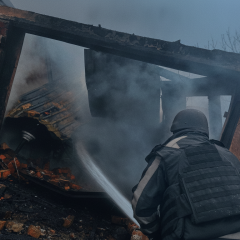
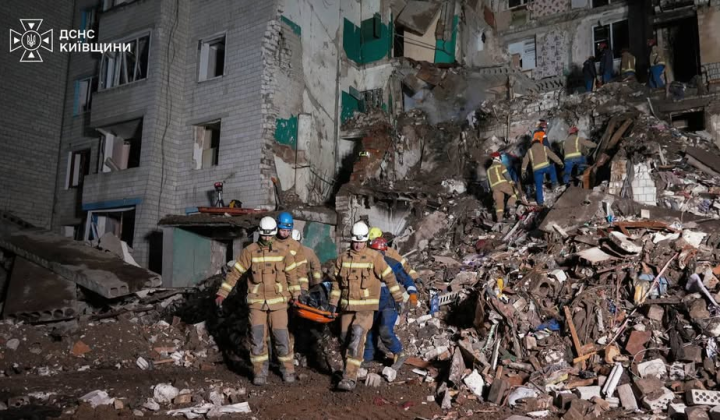
According to ДСНС: This past week saw intense Russian assaults across several Ukrainian regions, resulting in significant casualties and damage. In the Kyiv region, one attack destroyed the entrance of a five-story residential building. In Kyiv itself, five people were injured, with emergency responders successfully rescuing two of them.
Kharkiv endured a heavy barrage that claimed the life of a woman and left eight others wounded; rescuers managed to pull a man from the rubble. In Odesa, Russian attacks also caused fatalities, including a child among the victims. The situation in Zaporizhzhia was even more severe, with two deaths and 41 injuries reported, among them an infant and three children.
International Aid and Rescue Operations
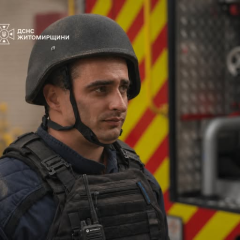
Meanwhile, a Swedish rescue team visited Ukraine’s State Emergency Service (DSNS) to observe their wartime operations firsthand and discuss future collaboration. Since the beginning of the year, 51 people in Ukraine have died from carbon monoxide poisoning. Additionally, DSNS service dogs were honored at the 'Four-Legged Defenders' awards ceremony for their contributions.
The events of this week highlight the persistent danger faced by civilians amid ongoing Russian attacks. The frequent loss of life and injuries have become a grim reality for many communities. At the same time, international support, exemplified by the Swedish delegation’s visit, plays a crucial role in enhancing rescue efforts and improving conditions for those affected by the conflict.
The ongoing conflict has not only resulted in civilian casualties but also taken a toll on rescue personnel. Recent reports indicate that two rescuers have lost their lives and several others have been injured due to Russian strikes across multiple regions. This underscores the perilous conditions faced by those dedicated to saving lives even amidst relentless attacks, further complicating rescue operations and highlighting the urgent need for enhanced support and safety measures.

Read also