Ukrainian Security Service Dismantles Russian Spy Ring After Missile Strike


Russian Intelligence Network Captured
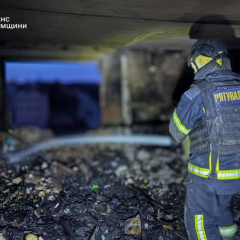
According to Главком: Ukraine's Security Service (SBU) has dismantled a Russian military intelligence (GRU) spy network that was gathering information on the aftermath of a missile strike on the Lviv region. The strike occurred overnight on January 8-9, 2026. Two agents have been detained and formally charged with state treason. This operation highlights the ongoing intelligence war within the broader conflict.
The network was attempting to assess the damage from a missile attack, launched by an Oreshnik system, against civilian infrastructure in Lviv. The detainees are a 64-year-old man and a 22-year-old unemployed man, both residents of Mukachevo. Notably, the younger agent traveled from the Zakarpattia region to Lviv after the attack to conduct his reconnaissance.
Operation Details and Consequences
The arrests were carried out simultaneously in two regions-Lviv and Mukachevo. During the operation, authorities seized electronic devices containing evidence of correspondence and intercepted audio recordings of conversations with the agents' Russian handler. Both individuals are now in custody and have been notified of suspicion under Part 2 of Article 111 of Ukraine's Criminal Code, pertaining to state treason committed under martial law.
According to the Russian Ministry of Defense, the missile strike on Ukrainian territory was launched in retaliation for an attack on a Russian presidential residence in the Novgorod region, which occurred on the night of December 29, 2025.
The report stated the missile reached speeds of approximately 13,000 kilometers per hour, and its intended targets, which included facilities producing unmanned aerial vehicles (drones), were successfully hit.
This incident underscores the persistent activity of Russian special services on Ukrainian soil and the critical importance of counterintelligence measures for national security. The dismantling of this network highlights the constant threat posed by external adversaries and the need for enhanced protection of critical infrastructure, especially during wartime.
It is significant that law enforcement agencies continue their work to identify and neutralize such threats, which can substantially impact the stability of the regional security situation.

Read also