Astronauts’ Hearts Adjust to Weightlessness and Endure Simulated Martian Gravity, Study Finds

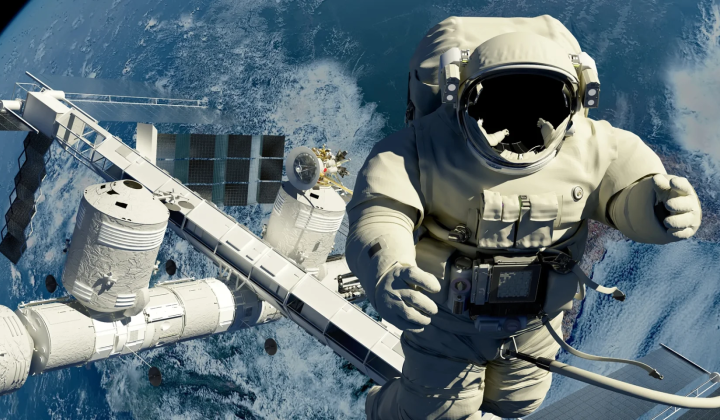
How Astronauts’ Hearts Adapt to Microgravity Conditions
According to НВ — Техно: A recent study involving 13 astronauts reveals that the human heart can adjust effectively to extended periods in microgravity and remains resilient when exposed to simulated Martian gravity. A key factor in maintaining cardiovascular health during space missions was found to be daily physical exercise. Remarkably, after returning to Earth, the astronauts’ hearts responded to Mars-like gravitational stress just as well as they did before their spaceflight.
Study Design and Key Findings
The research focused on astronauts who spent about six months aboard the International Space Station. In the initial two weeks of their mission, scientists observed a reduction in the volume of blood entering the heart between beats, as well as a decrease in the amount of blood pumped with each contraction. However, over time, the cardiovascular system adapted, and these measures returned close to pre-flight levels. Heart function was closely monitored using echocardiography throughout the study.
As part of NASA’s regimen, astronauts engaged in up to two hours of daily exercise, which included:
- 30 to 45 minutes of cardiovascular workouts;
- 60 to 75 minutes of strength training.
Upon their return, the astronauts were tilted at a 22-degree angle to mimic Mars’ gravity, approximately 38% that of Earth’s. The hearts of the astronauts showed no decline in performance under this simulated gravity compared to their pre-flight baseline in an upright position.
This investigation was carried out by researchers from Northwestern Medicine, UT Southwestern, and UTHealth Houston, and the findings were published in ScienceDaily. James Thomas, one of the lead researchers, commented:
“Our results offer promising evidence that humans will be able to travel to Mars, land on its surface, and carry out work there.”
While these results provide valuable insights for planning future Mars missions, it is important to note the study’s limitations, including the small sample size and the use of simulated rather than actual Martian gravity conditions.
Understanding how the cardiovascular system adapts during long-duration spaceflight is critical for the success of upcoming interplanetary missions. The positive effects of regular exercise in microgravity emphasize the necessity of maintaining physical fitness in space. Future research will likely explore additional health factors to ensure astronauts are thoroughly prepared for deep space exploration.
While the adaptation of astronauts' hearts to microgravity is promising, it's important to consider other health risks associated with prolonged space missions. A recent study has highlighted an increased risk of hip fractures in astronauts after extended periods in space, underscoring the complex challenges of long-duration spaceflight.

Read also