Turner Glacier in Alaska Accelerates by Up to 251% Due to Heavy Rainfall, Study from 2020–2024 Reveals

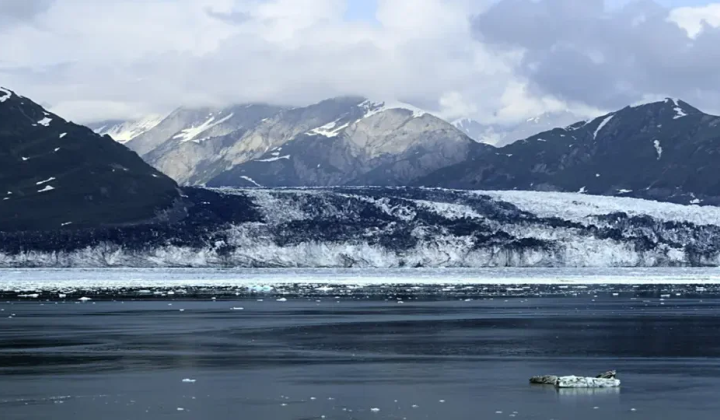
Tracking the Movement of Alaska's Turner Glacier
According to НВ — Техно: A Boise University research project has uncovered that intense rainfall events can dramatically increase the speed of the Turner Glacier in Alaska, with movement rates rising by as much as 251% during slower flow phases. Utilizing GPS data collected between 2020 and 2024, the study highlighted distinct acceleration patterns linked to varying flow conditions.
GPS sensors recorded glacier positions every 15 seconds, revealing that during the 2020-2021 period, which included 16 major rainfall events, 9 (56%) corresponded with unusual speed surges. The highest observed velocity reached 24.6 feet (7.49 meters) per day - a 116% increase over baseline speeds. These acceleration episodes lasted on average 66.5 hours during this timeframe.
Glacier Dynamics in Switzerland Amid Rapid Ice Loss
Between 2022 and 2024, out of 37 rainfall events, 17 (46%) triggered acceleration in the glacier’s movement. Speeds increased by roughly 1.5 meters (4.9 feet) daily, with acceleration periods averaging around 33 hours. During this later period, velocity boosts reached up to 251%. Acceleration typically began about 12 hours after rain started during active phases, and after approximately 32 hours during calmer periods. The most pronounced speed increases occurred in the glacier’s lower sections.
Meanwhile, Swiss glaciers have experienced significant melting over the past five years, losing approximately 20% of their ice volume. Summer 2026 alone saw a reduction exceeding 5%. Throughout 2026, glaciers shrank by 2.5 to 4 meters on average. Major glaciers such as the Rhone, Aletsch, and Clariden faced intense melting, while smaller glaciers like Bella Tola in Valais canton and Griesfirn in Glarus canton disappeared entirely.
These findings offer crucial insights into the processes influencing glacier behavior amid climate change.
The acceleration of Alaska’s Turner Glacier illustrates how weather patterns directly impact glacier dynamics, with implications for predicting ice melt and consequent sea-level rise. At the same time, the rapid ice loss in Switzerland reflects global trends driven by climate change, emphasizing the urgent need for strategies to mitigate its effects on ecosystems and human communities.
The alarming trends observed in Alaska's Turner Glacier highlight a broader issue affecting glaciers worldwide. For instance, recent reports indicate that Swiss glaciers have also faced significant shrinkage, losing over 5% of their mass in just one year. This simultaneous acceleration and melting underscore the urgent need to understand the dynamics of ice loss in different regions as climate patterns evolve.

Read also