Why sewing on oneself is considered dangerous: memory, luck, and ancient superstitions

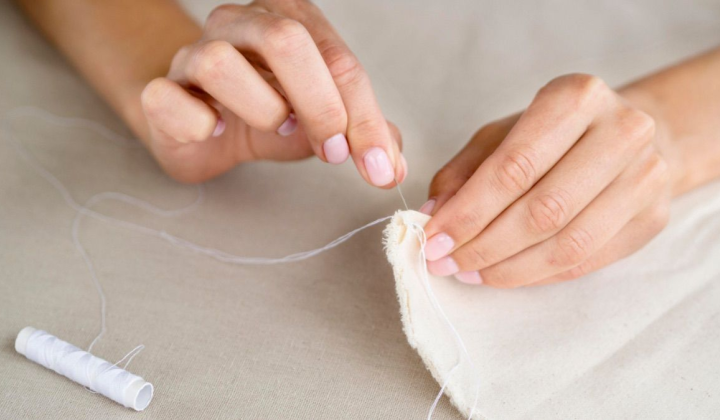
Is it possible to sew clothes directly on oneself?
According to 24 канал — Lifestyle: For Russian-speaking readers, this prohibition is familiar from many Slavic beliefs. Let us clarify: the material is for entertainment purposes only. It concerns a folk superstition explained by 24 Kanal: if you sew on yourself, you can 'stitch' your memory, mind, or lucky fate. According to ancient beliefs, a needle in hand can 'close' memory, making a person forgetful and distracted.
What is important to know about sewing on oneself
There are several important warnings associated with this action. It was strictly forbidden for girls to sew on themselves: it was believed that this could 'stitch' happiness or destiny, drive away a suitor, and condemn oneself to loneliness. Also, a bad omen was to patch clothes before a long journey or a significant task – it promised failures and obstacles. A tangled thread, according to belief, meant confusion in plans.
If removing the item is still impossible, folk customs suggest holding a thread or a piece of bread in your mouth and remaining silent while sewing. It was believed that silence protects the mind and memory from being 'stitched.' From a practical point of view, the prohibition is also reasonable: sewing on oneself is unsafe – a person can injure their skin with the needle, and due to haste, crooked seams and knots may form on the thread.
It is essential to remember that folk superstitions, astrology, tarot, numerology, and other esoteric practices are not sciences, and one should approach them with caution. This material is entertainment, and the opinions expressed in it have no scientific grounding. The original publication is hosted on the 24 Kanal website.
Such superstitions show how significant the role of folk traditions is in culture and how they influence everyday life. Beliefs about sewing reflect deep convictions passed down from generation to generation, often connected with social and psychological aspects. For many people, following such customs remains an important part of adhering to cultural norms.

Read also