How much cash can you keep at home in Poland: when the bank will ask about the origin

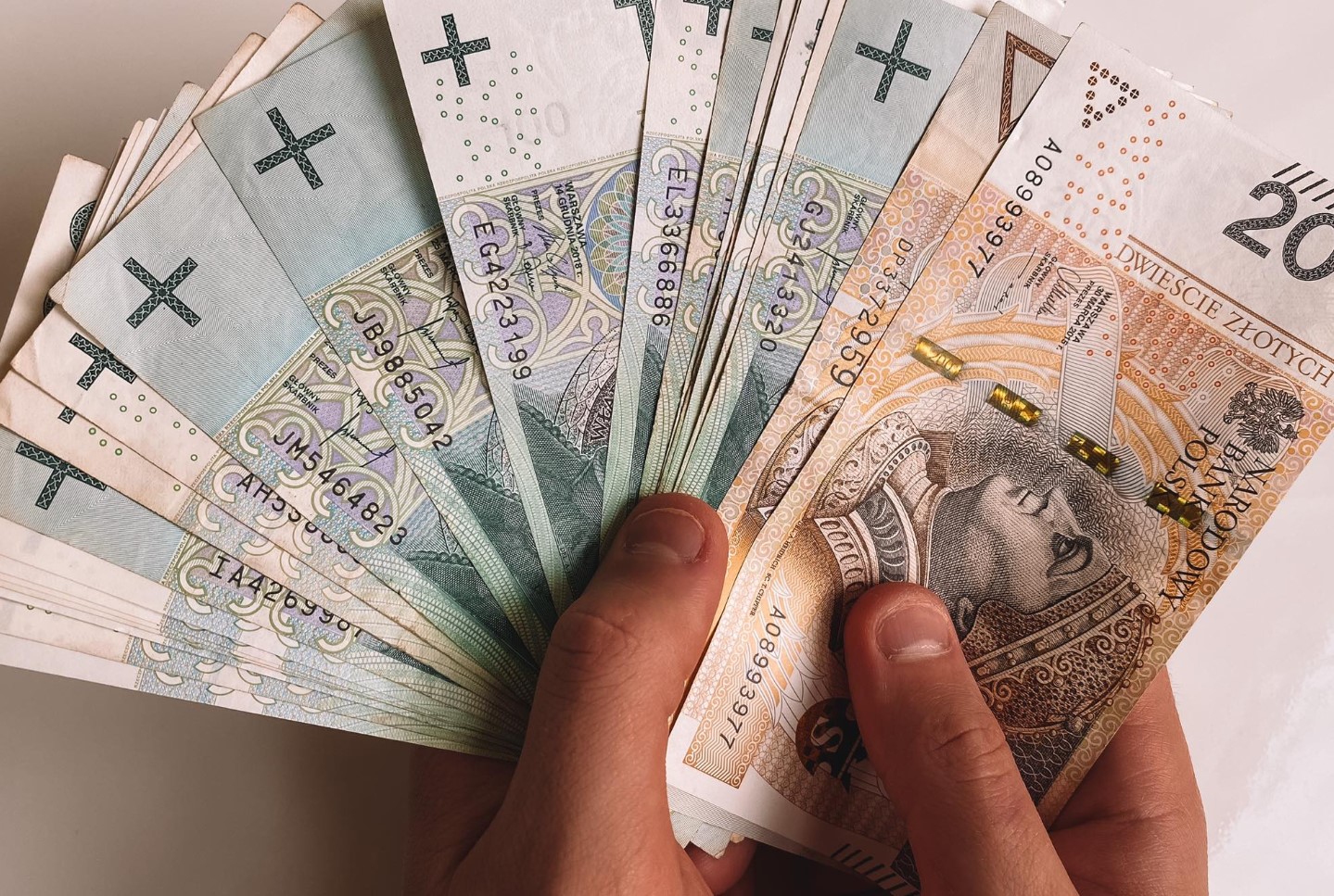
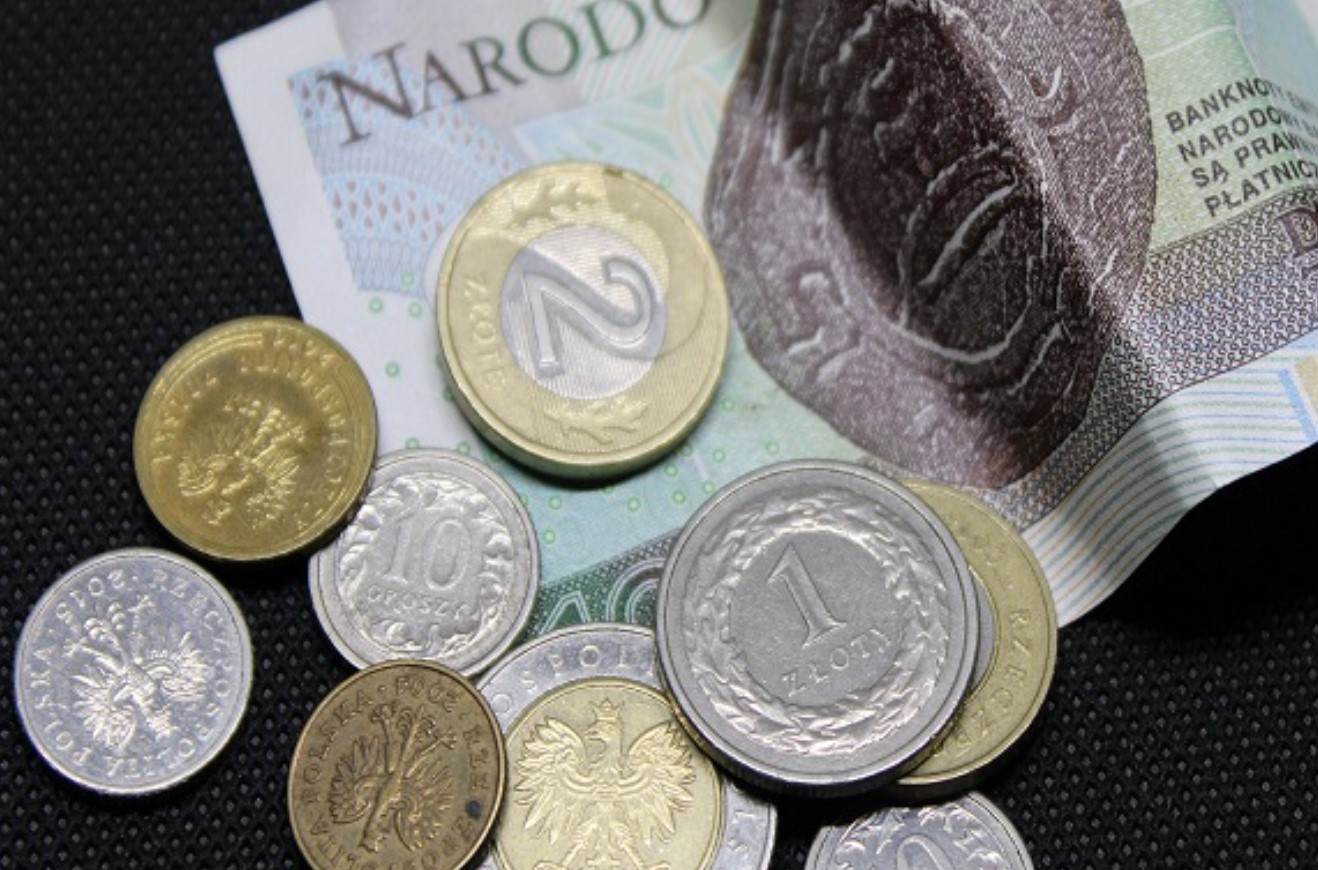
In Poland, there is no established limit on the amount of cash that an individual can keep at home. However, depositing savings into an account may be accompanied by a review of the source of the funds, as the control of banking operations is regulated by specific anti-money laundering rules. This is noted by inPoland.
Cash at home in Poland: is there a limit on savings
Keeping legally obtained money outside of a bank is not a violation. A person can independently decide how much of their savings to keep in an account and how much to keep in cash.
At the same time, the absence of a limit does not negate tax obligations related to the receipt of this money. Salaries, income from the sale of property, gifts, or inheritances have different rules for registration and taxation.
If savings later need to be deposited into the bank, the institution may ask to explain their origin. Depending on the situation, confirmations can include tax declarations, salary documents, bank statements, or sales agreements.
There is no single document that will definitely address all the bank's questions. For example, a declaration confirms declared income, but additional information may be needed to explain a specific amount of savings.
It is also worth distinguishing home savings from cash withdrawal limits. ATM or card restrictions define how much can be withdrawn in one operation or per day, but do not establish a maximum amount of money at home.
Bank verification: what does the threshold of 15,000 euros mean
According to Polish financial monitoring rules, banks report to the General Inspector of Financial Information (GIIF) details regarding cash deposits or withdrawals that exceed the equivalent of 15,000 euros.
This is a reporting threshold for the operation, not a prohibition on depositing money. The transmission of information does not mean that the funds are illegal or that the client is automatically accused of a violation.
At the same time, transactions below this threshold can also be checked. The bank assesses risks, the compliance of receipts with known client income, and other circumstances. Therefore, there is no amount that guarantees no questions about the origin of the money.
Before depositing significant savings, it is advisable to clarify the procedure for conducting operations with your bank and prepare the necessary documents. This is especially important if the money has been accumulated over many years or has come from various sources.
Cash reserves can be useful during power outages or payment service disruptions. However, the advice provided in the publication to have a few thousand zlotys is not a mandatory norm or a state-established minimum.
When planning such a stock, it is important to consider personal daily expenses, storage security, and withdrawal fees. Documents about the legal origin of savings should be kept regardless of whether the money is at home or in an account.

Read also