White House Denies Slovak PM's Remarks on Trump's Mental State

Slovak Leader's Concerns
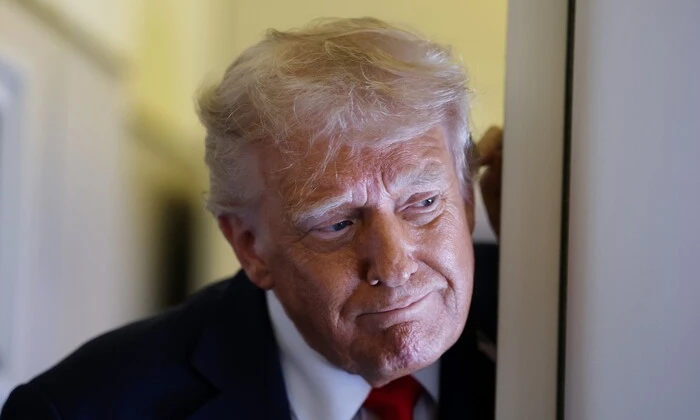
According to Главком: Following a private meeting at the Mar-a-Lago estate in Florida on January 17, Slovak Prime Minister Robert Fico expressed concern about the psychological state of former U.S. President Donald Trump. Fico made these comments informally during a gathering of European Union leaders at the Davos summit. Such personal assessments from a foreign leader about a U.S. presidential candidate are highly unusual in international diplomacy.
The Slovak leader stated his unease stemmed from his impressions during the conversation with Trump. However, White House Press Secretary Anna Kelly firmly denied the account, labeling it 'complete and utter fake news from anonymous European diplomats seeking attention.' She emphasized that the Mar-a-Lago meeting was positive and productive.
'Complete and utter fake news from anonymous European diplomats seeking attention.' Anna Kelly, White House Press Secretary
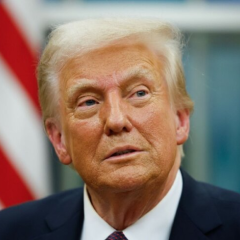
For his part, Donald Trump has asserted he is in perfect health and has passed a cognitive test three times in a row. Concurrently, a photograph of Trump with Russian dictator Vladimir Putin surfaced at the White House, an image likely to further fuel discussion about his political judgment and mental fitness.
Implications for International Relations
This incident highlights the ongoing tension in U.S.-European relations, particularly regarding perceptions of American leadership. Fico's remarks may reflect a growing unease among some European politicians about U.S. domestic politics and its potential impact on global affairs.
The White House's sharp rebuttal underscores an effort to protect Trump's public image on the world stage, demonstrating the critical role of communication and public perception in modern geopolitics. Episodes like this could have significant consequences for future cooperation between the United States and the European Union.

Read also