Slovenia for Ukrainians: Entry, Documents, and Conditions of Stay
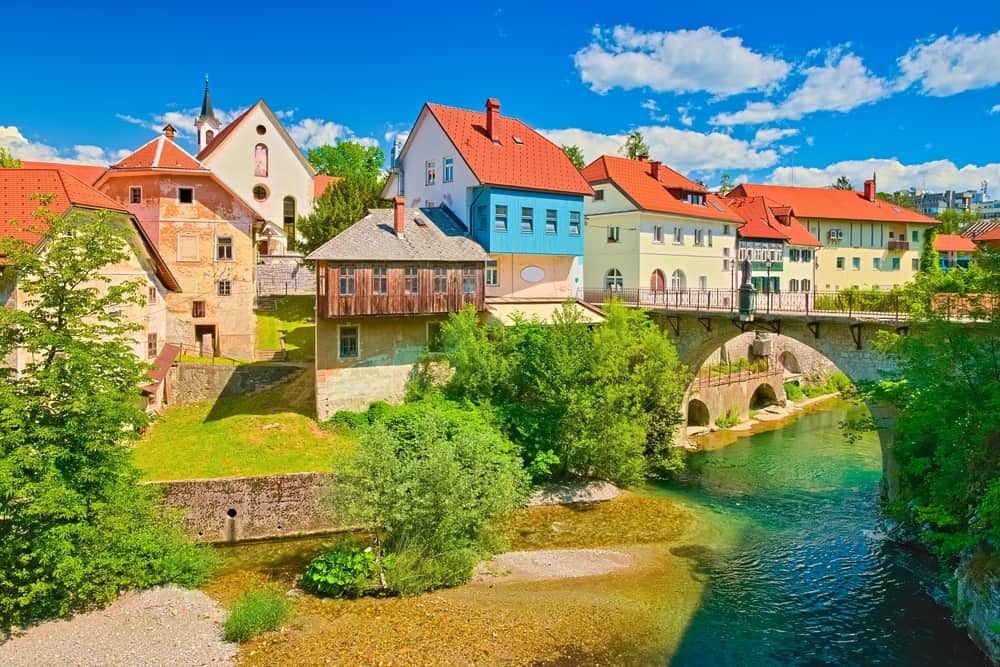
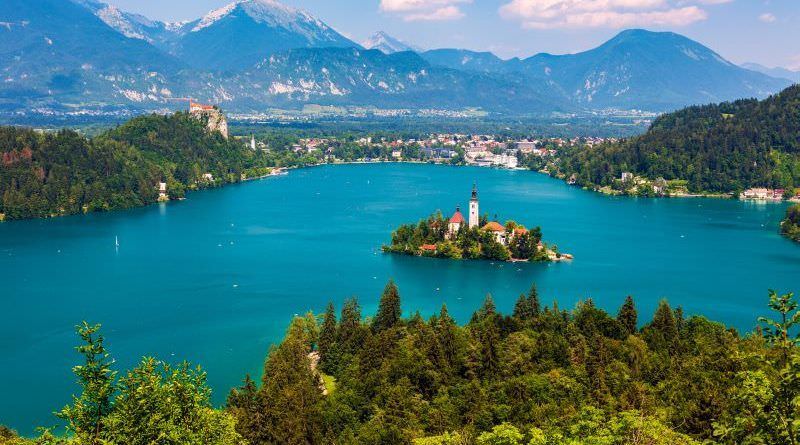
Slovenia remains a good option for many migrants. It is a picturesque country with fairly decent chances of finding a job, studying, and building a successful life.
Slovenia for Ukrainians: Conditions of Entry, Residence and Stay
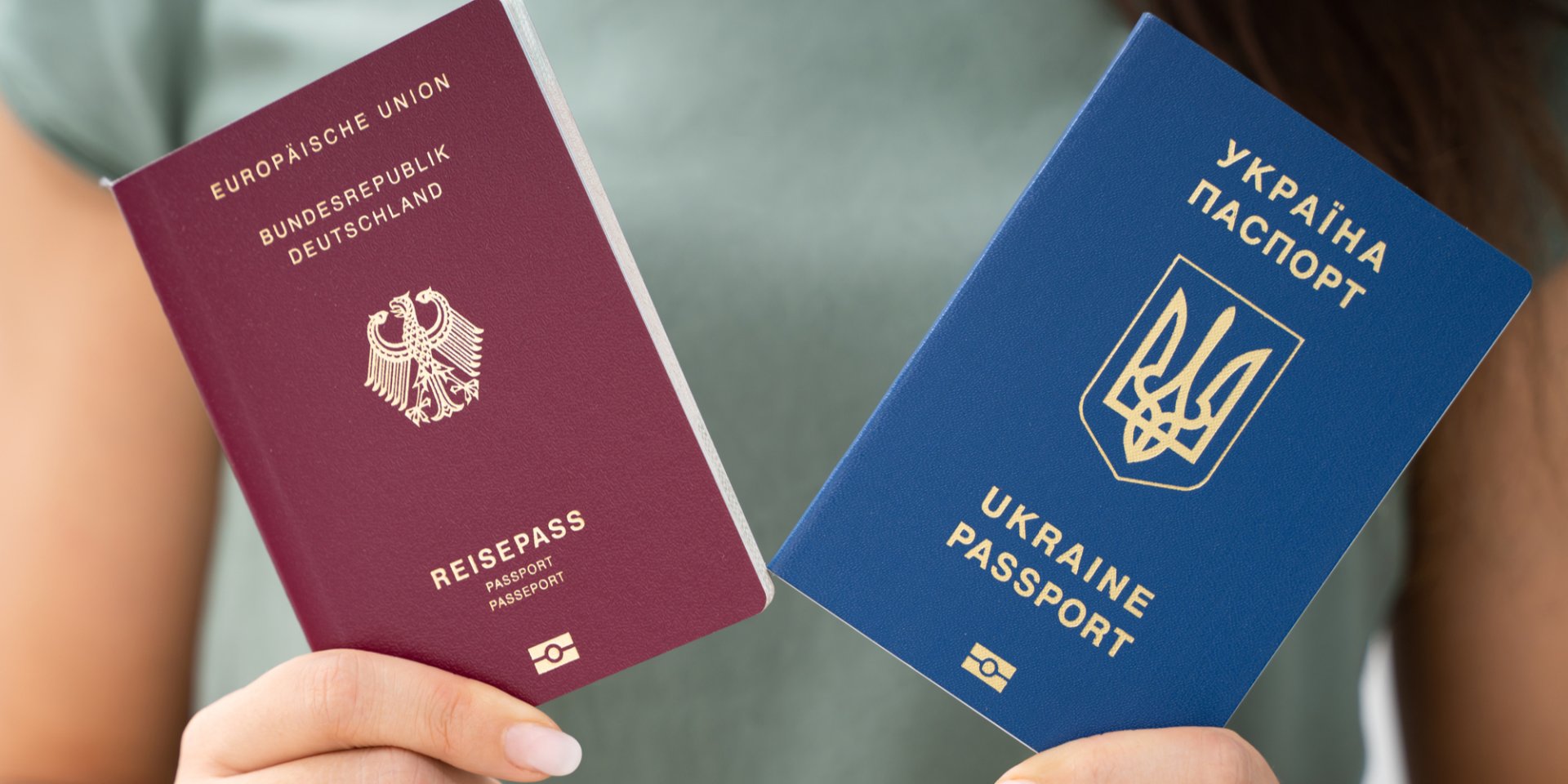
Ukrainians can enter Slovenia without a short-term visa if they have a biometric passport. For a person who is simply traveling, a general rule applies for short stays within the Schengen area - no more than 90 days within any 180-day period. If the purpose is to relocate due to war, employment, study, or long-term residence, one must consider not just the tourist visa-free regime but the appropriate migration status.
For Ukrainian citizens who left the country due to the war, the main mechanism in Slovenia remains temporary protection. It provides a wider set of rights than regular short-term residence: the possibility to live legally, work, access a defined range of medical assistance, get access to education, and under certain conditions, claim financial support.
In 2026, the rules for temporary protection were updated. It is important to consider the date of application and the circumstances of departure from Ukraine, as additional requirements related to military duty and legality of departure from Ukraine apply to new applicants. For those who already had temporary protection before the rule changes, transitional provisions are in place.
Do Ukrainians Need a Visa to Enter Slovenia?
Citizens of Ukraine with a biometric passport do not need a short-term visa to enter Slovenia. This regime applies to trips that comply with the rules of visa-free residence. It does not automatically convert into a permit to reside in the country for an indefinite time.
The visa-free regime allows staying in the Schengen area for up to 90 days within a 180-day period. This considers not just the days in Slovenia but the total number of days spent in all Schengen countries.
For crossing the border, the following may be required:
- valid biometric foreign passport;
- confirmation of the purpose of the trip;
- information about the place of residence;
- confirmation of having sufficient funds for the stay;
- documents confirming the return or further itinerary, if requested by the border authority;
- documents confirming the basis for special residence regime, if the person is traveling to apply for temporary protection.
Regular visa-free travel should not be confused with temporary protection. If a Ukrainian citizen arrives as a displaced person and plans to apply for protection, the procedure after entry will be different.
For long-term residence due to work, study, family circumstances, or another reason, a residence permit or other document may be required. A tourist visa-free regime does not replace such a permit.
How Ukrainians Can Enter Slovenia
Entry to Slovenia for a Ukrainian starts with checking a document that allows crossing the external border of the Schengen area. The simplest option for a short trip is a valid biometric passport of a Ukrainian citizen.
If a person is traveling to Slovenia to receive temporary protection, the registration procedure must be followed after entry. Ukrainian citizens are advised to inform the competent authorities of their intention to apply for status as soon as possible. During registration, personal identity and entry circumstances are checked, after which the applicant receives information about further actions.
An applicant for temporary protection must submit an application to the administrative unit within the established time frame. The application must include a photo and available documents that help confirm identity and the right to receive status.
In 2026, the legality of departure from Ukraine is particularly significant for categories subject to military service obligations. For new applicants after August 5, 2026, Slovenia requires appropriate confirmation of fulfilling military duties or a document from the competent authority of Ukraine permitting departure. This rule does not apply retrospectively to individuals already granted temporary protection before the changes were enacted.
After entry, it is also necessary to take care of residence registration. If a person is living in a hotel, hostel, or other accommodation, the registration formalities are usually handled by the administration. In the case of private accommodation, the responsibility for notifying the address rests on the individual’s particular situation and status.
Temporary Protection in Slovenia for Ukrainians
Temporary protection is intended for people who have been displaced from Ukraine due to war and meet the legally defined categories. It is not citizenship and is not equated with permanent residence permission.
This status allows individuals to live legally in Slovenia for the duration of its validity. At the same time, the person gains access to the labor market, education, defined medical services, and prescribed forms of social and material support.
In 2026, the EU extended temporary protection for displaced persons from Ukraine until March 4, 2028. For persons who already had status before the changes to Slovenian rules in August 2026, new requirements for confirmation of military obligations do not apply.
New Slovenian rules stipulate that the identity documents for temporary protection no longer need to expressly state a separate expiration date. Its validity ties to the duration of the temporary protection regime itself.
The procedure begins with registration and submission of the application. The applicant must provide any documents they have. If some documents cannot be obtained due to wartime circumstances, this does not automatically mean denial, but competent authorities may conduct additional verifications.
After obtaining the status, the individual receives a temporary protection certificate. It is used to confirm the legality of stay and exercise the provided rights.
Housing for Ukrainians in Slovenia
The primary option for newcomers can be temporary accommodations organized by state or municipal structures. If a person has nowhere to live, the reception system may provide accommodation in appropriate centers or other available places.
After adapting, many Ukrainians move to private rentals. The highest demand is traditionally seen in Ljubljana, where workplaces, universities, and government offices are concentrated. As a result, renting in the capital is usually more expensive than in smaller towns.
When renting, one must consider not only the monthly payment. Additional charges may be incurred for utilities, heating, internet, insurance, and other expenses. The landlord may require a deposit, and the terms for returning the deposit should be clearly stated in the contract.
For persons with temporary protection living in private accommodations and meeting requirements, there is financial support for private housing. The amount depends on the number of people living together and other criteria for entitlement to assistance.
In 2026, the financial aid for private housing is calculated as a certain percentage of the base minimum income. For one person, it is 100% of the base amount, for two - 130%, for three - 160%, for four - 190%, for five - 210%, for six - 230%, and for seven or more - 250%. After two years of receiving temporary protection, the amount of such assistance decreases by 15%.
The right to payment is linked to living conditions, income, property status, and the presence of a lease agreement or another legal basis for using housing. Applications are submitted to the Migration Protection and Integration Office.
Social Assistance for Ukrainians in Slovenia
The support system depends on a person's status, income, property status, family composition, and place of residence. For persons with temporary protection, special rules apply that differ from the standard social assistance procedure for other foreigners.
In 2026, the system includes, among other things, financial assistance, support for private housing, pocket money for people living in accommodation, and specific types of support for children and families.
When assessing the right to financial aid, income and property are taken into account. Therefore, having temporary protection status alone does not mean that any person will automatically receive all benefits.
To confirm material circumstances, bank statements from previous months, information on account balances, employment contracts, data on income, property, and other documents may be required.
For families with children, child support, food subsidies, discounts on preschool education, and other social mechanisms may also be relevant. Specific rights depend on the conditions of the program.
An important principle is timely notification to state authorities of any change in address, employment, income, or family composition. Changes in circumstances can affect eligibility for certain payments.
Work in Slovenia for Ukrainians
Persons with temporary protection have free access to the labor market in Slovenia. For their employment, employers do not need to obtain a separate work permit if the individual has valid temporary protection status.
Ukrainians can use the services of the Slovenian Employment Service, register as job seekers, and participate in active employment policy programs. The Employment Service also offers career counseling for foreigners.
For official employment, documents confirming identity and legality of stay are required. The employee signs a labor contract, and the employer fulfills the legally prescribed obligations regarding salary payment, social contributions, and tax accounting.
Salaries depend on the profession, education, experience, region, and level of Slovenian language proficiency. The most opportunities are typically concentrated in large cities, industrial areas, service sectors, logistics, construction, the hospitality industry, and care.
For qualified professions, recognition of foreign education or professional qualifications may be required. For regulated professions, this procedure is particularly important, as the diploma does not always grant immediate permission to work in the profession.
Special attention should be paid to the employment contract. Before starting work, it is worth checking the salary amount, schedule, duration of the probationary period, vacation, overtime hours, and conditions for terminating employment relations.
Education and Language Learning in Slovenia for Ukrainians
Children with temporary protection can be included in the Slovenian education system. School-age children typically study at a school near their residence. The document confirming temporary protection is used for enrollment.
Language support is provided for children. Special attention is paid to learning Slovenian at the initial stage so that the child can fully participate in the educational process.
Children with temporary protection have access to primary school under the terms defined for the corresponding category of students. Subsidies for meals are provided for schoolchildren, and under certain conditions, free transport may be available. Textbooks and educational materials may also be supplied.
Students in secondary schools may receive intensive Slovenian courses during their initial integration into the system. In the first adaptation period, special approaches to assessment and an individual educational plan may be possible.
For adults with temporary protection, the program “Initial Integration of Immigrants” - ZIP, is in effect. It combines learning Slovenian and familiarization with society and everyday life in the country. Individuals with temporary protection may also utilize the right to a one-time free Slovenian language exam at designated levels.
For university admission, it is necessary to meet the requirements of the specific program. Educational documents obtained in Ukraine may require recognition or evaluation according to the rules of the Slovenian educational institution.
Medicine for Ukrainians in Slovenia
Persons who have applied for temporary protection and those already granted this status have the right to emergency medical assistance in accordance with Slovenian rules.
To confirm the right, the applicant can use a document about the application for temporary protection or the registration letter, while a person with already granted status uses the temporary protection certificate.
Emergency assistance includes necessary medical measures in cases requiring urgent intervention. Emergency dental assistance and emergency transportation are also provided.
For minors with temporary protection, the scope of medical care is broader and equated to the level provided for children with mandatory health insurance as family members. Similar rules apply to certain student categories who continue their studies after reaching 18 years.
If a person works in Slovenia, they fall under the mandatory health insurance system according to the rules applicable to workers. This grants access to a broader range of medical services within the insurance system.
In some cases, one may request an extended range of medical services. For this, medical documents and other evidence justifying the need for additional treatment are submitted.
Cost of Living in Slovenia for Ukrainians
Slovenia is one of the Central European countries with a relatively high cost of living. The most significant difference is felt in housing costs. Ljubljana has the most expensive and competitive housing market, while cheaper apartments can be found in smaller towns.
When planning a budget, it is essential to consider not only rent but also the deposit, utilities, and heating costs. In cold weather, energy bills can significantly increase overall household expenses.
Food costs depend on lifestyle. Products from large supermarkets are usually cheaper than regular meals in cafes. A family with children must separately consider expenses for school meals, clothing, hygiene products, and transportation.
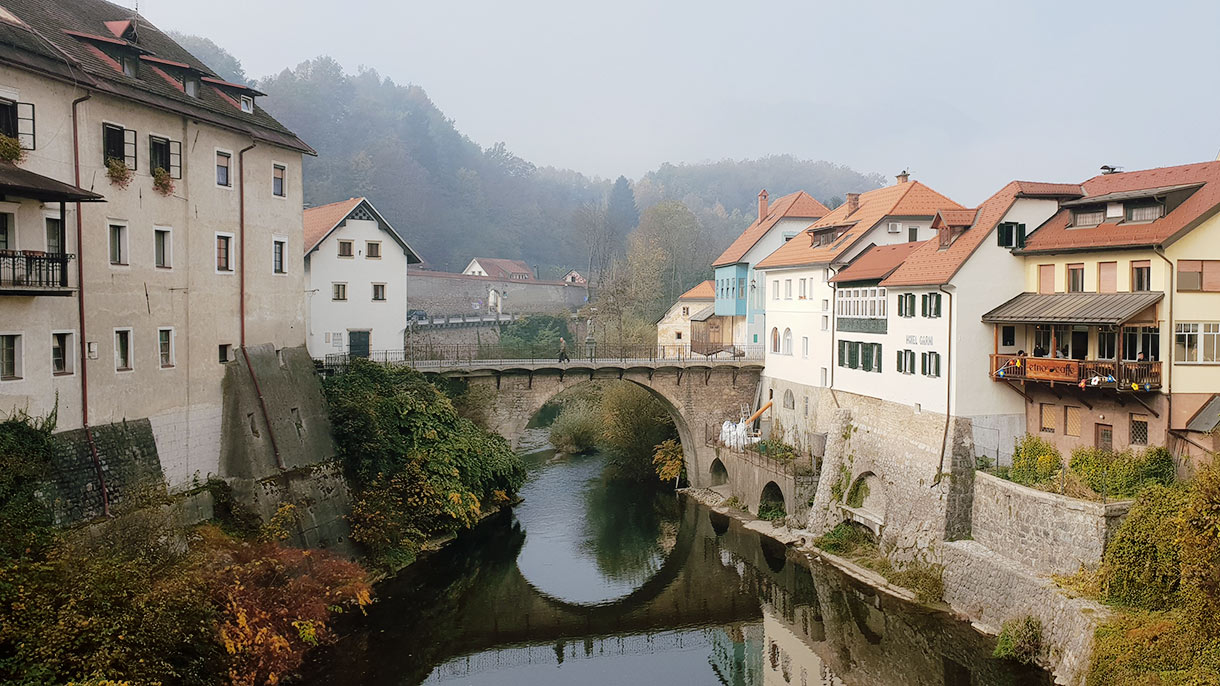
Public transport in Ljubljana is well-developed; therefore, living near the transport network can reduce the need to maintain a car. In other cities, a car can be practically necessary, especially for people working outside the city center.
A rough budget should be compiled in the following categories:
- housing rent;
- utility payments;
- food;
- transport;
- mobile communication and internet;
- clothing and household goods;
- medical expenses not covered by insurance or assistance programs;
- expenses for kindergarten, education, or extracurricular activities;
- unexpected expenses.
For a Ukrainian under temporary protection, the actual budget may differ significantly from that of a regular foreign worker, as some costs may be compensated by government programs under established conditions. At the same time, financial assistance should not be considered a permanent substitute for income: its amount and eligibility depend on income, property, family composition, and existing regulations.
Overall, it is a good option for many, which can definitely provide a good opportunity for the future. Relocating to Slovenia can resolve numerous housing or social issues.

Read also