US-Israeli Joint Strike in Tehran Eliminates Iran's Supreme Leader

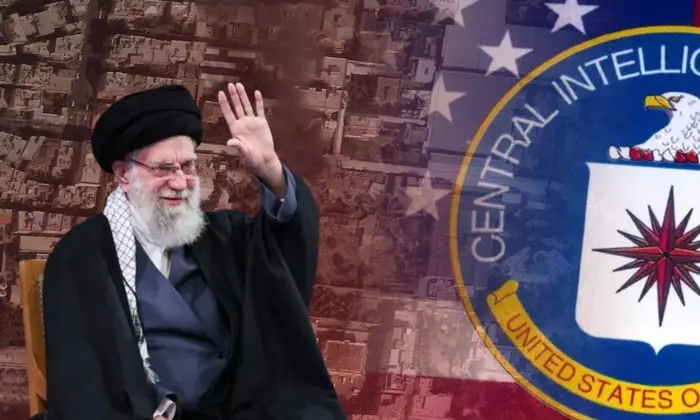
Iran's Supreme Leader Killed in Strike
According to Главком: In a joint US-Israeli operation in Tehran, Iran's Supreme Leader Ayatollah Ali Khamenei and nearly the entire country's military cabinet have been killed. The operation, which took place on Saturday morning, was enabled by CIA intelligence that had studied Khamenei's movement and communication patterns for many months. Iranian state media confirmed the deaths of the key figures, prompting the Iranian government to declare a 40-day mourning period. This event marks an unprecedented escalation in the long-standing covert conflict between these nations.
Operation Details
According to The New York Times, the operation began around 6 a.m. Israeli time. The strike itself occurred at approximately 9:40 a.m. against a government complex in Tehran housing the offices of Iran's President, the Supreme Leader, and the National Security Council. Thirty bombs were dropped on the complex where Khamenei was located. Among the senior officials killed were:
- Mohammad Pakpour, Commander of the Islamic Revolutionary Guard Corps (IRGC) Ground Forces
- Aziz Nasirzadeh, Minister of Defense
- Admiral Ali Shamkhani, Head of the Military Council
- Seyed Majid Mousavi, Commander of the IRGC Aerospace Force
- Mohammad Shirazi, Deputy Minister of Intelligence
Iran's chief intelligence officer escaped, but the country's intelligence leadership was completely eliminated. As an Israeli defense official noted,
"This morning's strike was carried out simultaneously in several locations across Tehran, one of which had gathered senior figures from Iran's political and security echelons."
The White House and CIA declined to comment on the operation. US President Donald Trump confirmed the death of Iran's Supreme Leader, stating:
"I know exactly who, but I can't tell you."
In Iran, a black mourning flag was raised over the Imam Reza shrine in Mashhad, symbolizing national grief for the fallen leaders. The event has triggered widespread repercussions both within the country and internationally, severely threatening regional security and stability. The Middle East now faces a profound power vacuum and a potential crisis of succession.
The elimination of Iran's Supreme Leader and his inner circle is likely to have far-reaching consequences for regional stability. The absence of these key figures in Iran's military and political hierarchy could lead to internal power struggles and provoke reactions from other states in the region. This presents a serious challenge to the international community in its efforts to maintain peace and security in the Middle East.

Read also