U.S. Deploys 3,000 Paratroopers to the Middle East with Strategic Objectives

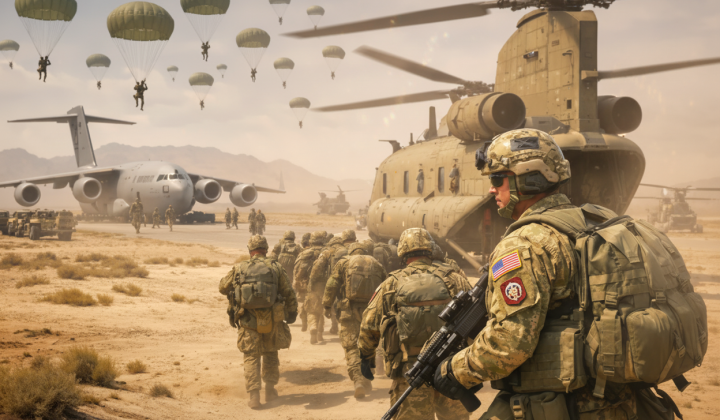
U.S. Military Deployment Underway
According to Главком: The United States has initiated the deployment of elements from the 82nd Airborne Division to the Middle East. The total contingent could number approximately 3,000 personnel. The forces being moved include the division's command staff, support units, and a brigade combat team. The deployment process is expected to last one week.
This move follows the earlier dispatch of thousands of U.S. sailors and Marines to the region. Among the potential scenarios being considered for these forces are:
- establishing control over the island of Kharg, a key hub for a significant portion of Iran's oil exports;
- ensuring the security of maritime traffic in the Strait of Hormuz.
However, a decision to directly introduce U.S. troops onto Iranian territory has not been made at this time.
U.S. Military Strategy
U.S. President Donald Trump has expressed a willingness to end a war with Iran even if the Strait of Hormuz remains largely closed. The White House has concluded that a military effort to forcibly open the Strait could prolong a conflict beyond four to six weeks. Key U.S. military objectives are to degrade the Iranian navy and reduce its missile capabilities. Washington plans to gradually scale back combat operations once these goals are achieved.
This troop movement signals heightened regional tensions and an escalation of U.S. military activity in response to the Iranian threat. The deployment of additional units appears to be part of a strategy to ensure stability and control over vital maritime chokepoints like the Strait of Hormuz. This underscores Washington's resolve in countering Iranian influence, with potential implications for the global oil market should regional conflicts intensify.
As the U.S. ramps up its military presence in the region, the recent deployment of 3,000 paratroopers follows an earlier decision to send over 2,200 Marines to the Middle East. This escalation reflects a broader strategy aimed at addressing growing tensions and securing critical maritime routes.

Read also