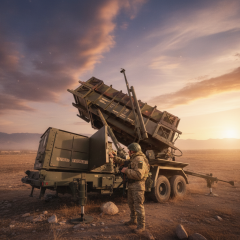
How AI is Shaping US Airstrikes in the Middle East: A Military Confirmation

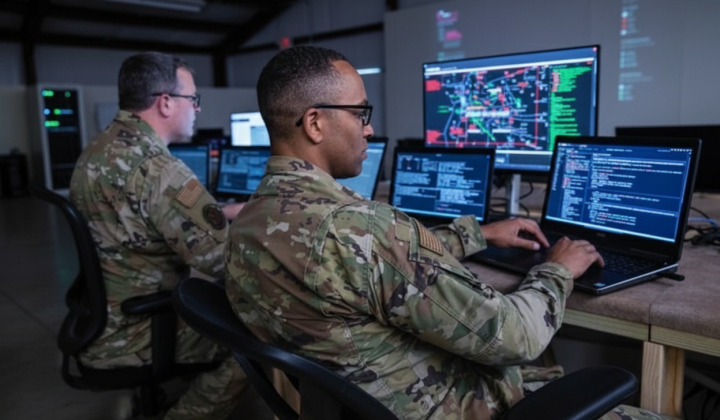
Artificial Intelligence in US Military Operations
According to Главком: The US military has officially confirmed it is employing artificial intelligence algorithms to identify targets for airstrikes in the Middle East. This technology processes vast data streams from reconnaissance drones and satellites, enabling more precise target selection. Since the onset of strikes last week, the US has hit over 2,000 targets, with 1,000 of those struck within the first 24 hours. This marks a significant evolution in modern warfare, where data processing speed is becoming as critical as firepower.
Commenting on the AI's role, US Central Command (Centcom) spokesperson Captain Timothy Hawkins stated,
'Centcom utilizes a variety of AI tools, and that is what they are-tools to assist human experts in a rigorous process that complies with US policy, military doctrine, and the law.'
This development underscores the military's ongoing integration of cutting-edge technologies to enhance operational effectiveness and decision-making.
Negotiations for Interceptor Drones
In a related development, the United States and Gulf nations have initiated talks to purchase Ukrainian-made interceptor drones. These unmanned systems are designed to counter Iranian Shahed drones, of which Tehran has reportedly stockpiled tens of thousands, according to the Financial Times. The regional security landscape is increasingly defined by drone warfare, prompting allies to seek advanced countermeasures.
The adoption of AI for combat operations highlights a fundamental shift in military strategy, where technology plays an ever-greater role in ensuring precision. Simultaneously, the negotiations for Ukrainian drones reflect emerging security challenges in the region, specifically the threat posed by Iranian unmanned systems, and the intent of Gulf states to bolster their defensive capabilities against such asymmetric threats.

Read also