Why Iran's Regime Is Unlikely to Fall After Khamenei's Assassination, According to U.S. Analysis

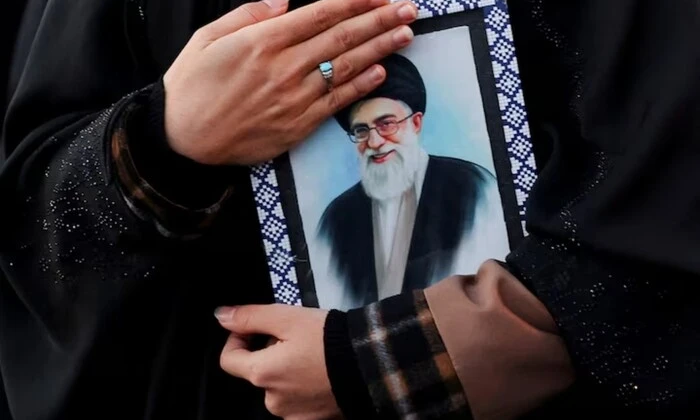
Iran's Political Landscape After the Assassination of Ali Khamenei
According to Главком: Senior U.S. officials express skepticism that the assassination of Supreme Leader Ayatollah Ali Khamenei will lead to a swift regime change in Iran. They assess that opposition groups lack the strength to overthrow the theocratic system, which has been entrenched since the 1979 revolution. Furthermore, analysts warn that Khamenei's potential successor could be an even more hardline figure, raising concerns among international observers about regional stability.
The assassination, which occurred on Saturday, sent shockwaves through the region, given Khamenei's central role in Iranian politics for decades. U.S. Special Envoy Steve Witkoff has held multiple communications with Iranian crown prince Reza Pahlavi since protests began in January, indicating Washington's interest in potential shifts. However, experts caution that despite these contacts, the country's political situation remains highly complex and resistant to rapid transformation.
International Response and Wider Implications
It is also notable that the United States and Israel had planned strikes against Iran in the week preceding Khamenei's assassination. The operation was postponed for intelligence, operational, and unfavorable weather-related reasons. This detail underscores the heightened and volatile state of regional tensions, which required careful calculation from international actors.
Consequently, while the killing of Khamenei may create new openings for change, U.S. officials remain cautious in their predictions. They believe the entrenched theocratic system presents a formidable challenge for any opposition movement, making the prospect of a near-term power shift both difficult and unpredictable. The Islamic Republic's security apparatus remains a powerful force dedicated to preserving the current system.
The situation in Iran is under close international scrutiny, as Khamenei's assassination could have significant consequences for the country's domestic and foreign policy. Observing the subsequent developments is crucial, as they may impact regional stability and Iran's relations with other states.
Ultimately, the conduct of the new leadership will determine whether Iran finds a path toward reform or descends into greater isolation and internal repression.

Read also