US Condemns Iran's Attempt to Levy Strait of Hormuz Transit Fees

White House Rejects Iranian Toll Demands for Oil Tankers
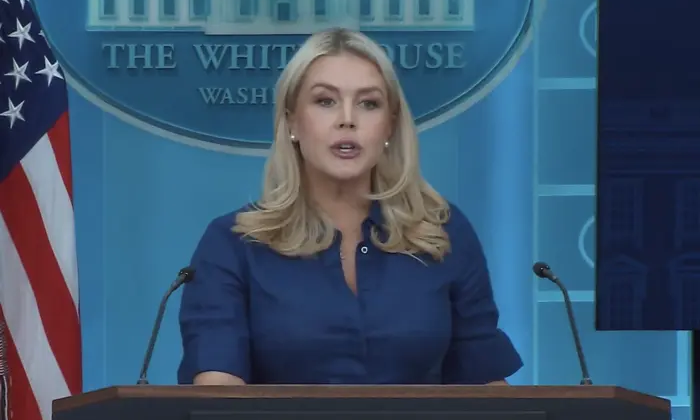
According to Главком: The White House has formally opposed Iran's attempts to impose fees on oil tankers transiting the Strait of Hormuz. President Donald Trump called for this vital maritime route to remain open for free and unrestricted passage. White House Press Secretary Caroline Levitt emphasized this stance, stating,
"This means the absence of any restrictions, including the imposition of fees."
Iran has currently halted the movement of oil tankers through the Strait, a development that has raised significant concern in Washington. The issue of Iran's highly enriched uranium remains a key priority for the U.S. administration ahead of a new phase of negotiations. President Trump underscored the linkage, stating,
"A ceasefire is contingent upon the free, safe, and immediate opening of the Strait of Hormuz."
Persistent Tensions in US-Iran Relations
Further complicating the situation, the United States has not ruled out resuming strikes against Iran, even during a potential ceasefire. Against this backdrop, Iranian Parliament Speaker Mohammad Bagher Ghalibaf continues to stress the importance of controlling these waterways, highlighting the ongoing friction between the two nations. The situation around the Strait of Hormuz remains volatile and requires close observation.
The Strait of Hormuz is a global economic chokepoint, with roughly one-fifth of the world's oil supply passing through its narrow confines. Tensions between the U.S. and Iran here risk severe disruptions to global oil markets and could escalate military conflicts in the region. Observers note that dialogue concerning both maritime control and Iran's nuclear program remains a critical factor that will determine regional stability for the foreseeable future.
As the situation escalates, the potential for a US-Iran confrontation at the Strait of Hormuz raises concerns about its implications for the global economy. Understanding the broader context of these tensions is essential, as they could lead to significant disruptions in oil supply and regional stability.

Read also