Military Action Against Iran Launched by US and Israel: Regional Tensions Escalate

The Strait of Hormuz Crisis and Its Consequences
According to Главком: Iran's blockade of the Strait of Hormuz has intensified the crisis, triggering a sharp spike in global oil prices. In response, the United States and Israel have initiated a military operation against Iran. Iran has declared a transition to a state of military confrontation and has launched retaliatory strikes. The Strait of Hormuz is a critical maritime chokepoint for global energy supplies, making any disruption there a matter of international concern.
On February 28, Israel declared a state of emergency and carried out an attack on Iran, a decision confirmed by Israeli Defense Minister Israel Katz. That same day, U.S. President Donald Trump announced the start of a large-scale military operation in Iran. In retaliation, Iran launched a massive counterstrike against American bases in countries around the Persian Gulf. By March 2, Iran announced its shift to a military confrontation with the U.S.-Israeli alliance, marking a clear escalation of the conflict.
Simultaneously, on March 2, world oil prices surged dramatically, reflecting the economic repercussions of the military actions in the region. This escalation followed a phone call on February 23 between President Trump and Israeli Prime Minister Benjamin Netanyahu, who likely discussed further steps in response to the crisis.
Military Actions and Their Ramifications
U.S. military leadership has expressed concerns that combat operations could continue until September. As expert Aaron David Miller noted:
'Trump has built himself a box called the Iran war, and he can't figure out how to get out of it.'
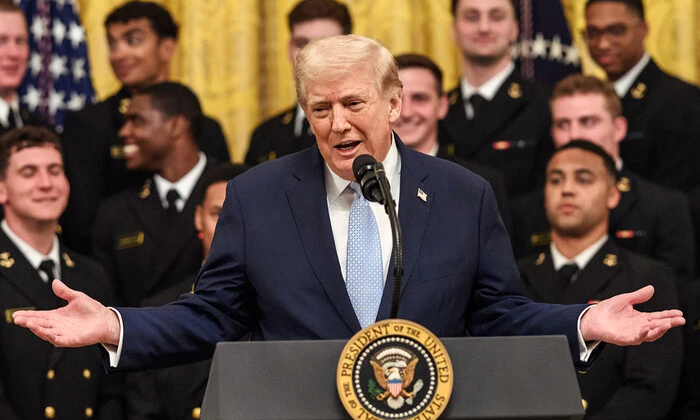
For his part, Donald Trump stated:
'We will eliminate the threat from the brutal Iranian regime.'
The situation around the Strait of Hormuz remains tense, and further developments could significantly impact global politics and the economy.
The escalation of the conflict in the Strait of Hormuz has the potential for serious consequences not only for the nations directly involved but also for the global economy, given the region's strategic importance for oil transportation. Rising oil prices could lead to increased energy costs worldwide, which would, in turn, affect inflation and economic growth. As events unfold, the international community is likely to focus on diplomatic efforts to prevent further escalation.
As tensions escalate in the region, the implications of the recent military actions are profound. The death of Khamenei may significantly alter Iran's response and the dynamics of the ongoing conflict. To explore how these developments impact the U.S.-Israeli military strategy and the broader geopolitical landscape, read more about the escalating military campaign in Iran.

Read also