How AI, Robotics, and Laser Technology Are Transforming Weed Control in Farming

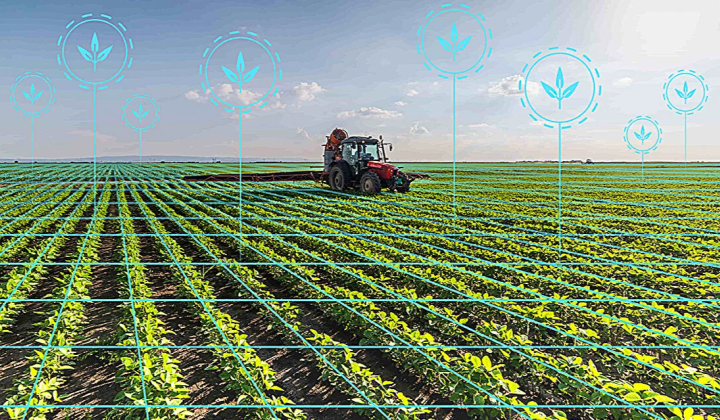
AI-Powered Solutions Aim to Revolutionize Weed Management
According to НВ — Техно: Emerging innovations leveraging artificial intelligence, including laser tools, robotic cultivators, and precision sprayers, are poised to redefine how farmers tackle weed problems-especially benefiting organic agriculture. According to Steven Duke, these advancements could spark a "third major revolution" in weed control, following two significant shifts over the past century: the introduction of synthetic herbicides and the development of herbicide-resistant crops. Duke emphasizes that the next breakthrough will likely come from AI-driven, highly targeted weed elimination techniques.
Despite the promising outlook, adopting these cutting-edge technologies presents financial, environmental, and technical hurdles. For instance, laser-based weed removal systems can exceed $1 million in cost, while robotic weed control machines often price around $75,000 or more. Duke points out that organic farmers currently lack effective mechanized tools and largely depend on manual labor, which is becoming increasingly expensive and harder to source.
Challenges in Applying AI for Weed Detection
Implementing AI for real-time identification and removal of weeds faces notable limitations. AI models supporting these systems are typically trained on specific crops and within particular environmental contexts. Lynn Sosnoski highlights that many companies have focused efforts on western U.S. states like Arizona, California, Oregon, and Washington, known for intensive vegetable production. However, these regions have climates and weed species distinct from the southeastern U.S. For example, California lacks ragweed-a common weed elsewhere-which has led to errors in AI algorithms. Sosnoski shares her experience: "I worked with a company whose initial algorithm consistently missed a specific weed species: common ragweed."
Another innovative development in sustainable farming is agrivoltaics, which integrates crop cultivation with solar energy production on the same land. A newly designed comprehensive model simulates the microclimate beneath solar panels by considering soil interactions, crops, airflow, water evaporation, carbon dioxide absorption, and heat stress on farm workers. This approach could mark a significant advancement in optimizing land use efficiency.
In summary, AI-powered technologies hold great promise to revolutionize agricultural weed control. However, realizing this potential will require overcoming substantial financial, ecological, and technological obstacles.
The integration of artificial intelligence into farming practices could dramatically improve weed management strategies, a critical issue for organic producers. Yet, success depends on addressing the high costs of technology and tailoring AI models to diverse agricultural climates. Achieving this will necessitate not only investment but also close collaboration between researchers and agricultural practitioners.

Read also