AI Models Predict Vladimir Putin’s Possible Timeframe of Death Between 2033 and 2038

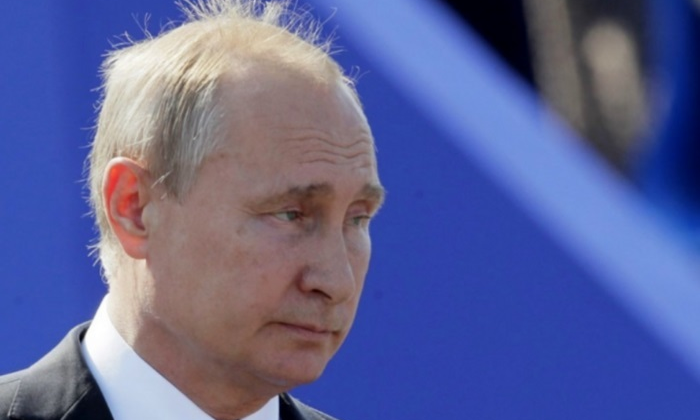
Estimating Vladimir Putin’s Potential Lifespan Through AI Analysis
According to Radiotrek — Світ: This article explores forecasts regarding the possible time of death for Vladimir Putin, based on insights from three artificial intelligence systems - ChatGPT, Grok, and Gemini - alongside demographic statistics. It discusses the projected timelines, factors considered, and important disclaimers about the lack of medical data and the inherent uncertainty of such predictions.
Artificial Intelligence Predictions
Born on October 7, 1952, Vladimir Putin will turn 74 in November 2026. According to the AI models:
- ChatGPT estimates his remaining lifespan at roughly 7 to 12 years, centering around the year 2035.
- Grok offers a similar projection, suggesting a 7 to 12-year range, specifically between 2033 and 2038.
- Gemini provides a slightly shorter estimate of 5 to 8 more years, pointing to the 2031–2034 window.
Overall, the most probable period for Putin's passing, based on these AI assessments, falls between 2033 and 2038, with an average prediction near 2035.
According to Newsweek, the average life expectancy for Russian men born in 1952 was approximately 53 years. Only around 30% of men from that birth cohort reach the age of 74. However, as the Russian president, Putin has access to medical care far superior to that of the general population. It is important to emphasize that these AI-generated estimates are not medical prognoses but are derived from age, population data, and general trends.
It’s crucial to acknowledge that accurately predicting the exact time of death for any individual is impossible due to numerous variables, including health status and political developments. An anonymous commentator notes, "It is essential to distinguish between Putin’s biological death and his departure from power. He could leave office much earlier due to health issues, political events, or other factors."
Following Putin’s exit, Russia’s political structure may remain largely unchanged, as power is likely to stay concentrated within the elite circles close to the Kremlin. Therefore, while AI forecasts and demographic data offer intriguing perspectives, real-world factors could dramatically alter outcomes.
This analysis highlights the complexity of forecasting individual lifespans, especially for political leaders whose health and political circumstances can shift rapidly. AI predictions should be viewed as a starting point for understanding potential scenarios, but reality often defies expectations. Additionally, a leadership change might not necessarily bring significant shifts in the country’s political direction, given the entrenched nature of the ruling elite.

Read also