Sumy Region Streamlines Mobile Fuel Station Operations Amid Shelling

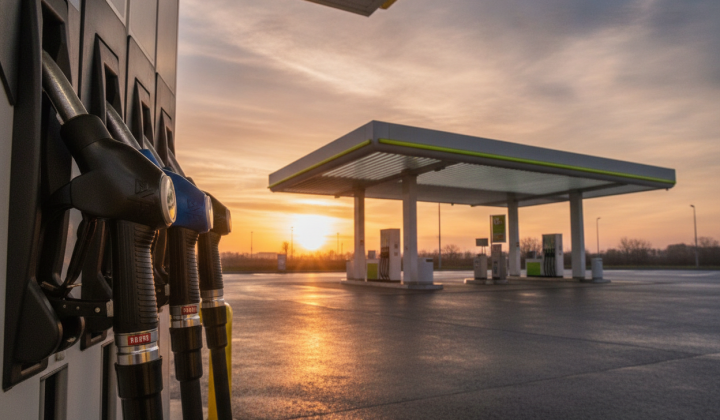
Fuel Supply Framework for the Sumy Region
According to Главком: Authorities in Ukraine's Sumy region have developed a new system to ensure fuel supplies continue despite ongoing attacks. Procedures for setting up temporary mobile gas stations have been simplified, aiming to improve the distribution of petroleum products across the area. This decision came out of a joint meeting led by the Sumy Regional Military Administration, which brought together fuel network owners, heads of district administrations, and representatives from the State Emergency Service, National Police, and regulatory bodies.
During the meeting, alternative fuel supply options were approved. Market operators are now required to maintain mandatory reserve fuel stocks, and all gas stations must install protective shelters. These measures come as the threat of strikes escalates, particularly in the neighboring Chernihiv region, where Russian attacks on fuel stations have become a near-daily occurrence.
“Russian strikes on gas stations in the Chernihiv region have become almost daily.” - Andriy Podorvan
Business Adaptation to New Realities
As a frontline region, Sumy faces heightened security challenges. In response to growing tensions, the WOG fuel network will change its operating rules starting July 1 across several regions, including Sumy, Chernihiv, Kharkiv, Zaporizhzhia, Dnipropetrovsk, Kherson, and parts of Poltava. This shift highlights how businesses are adapting to the realities of war and continuous shelling.
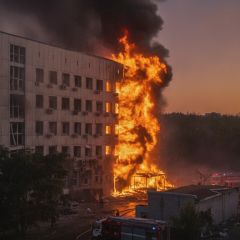
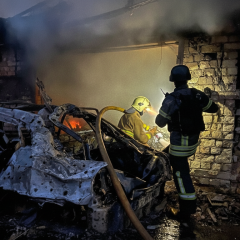
Over the past 24 hours, four gas stations in the Chernihiv region were hit by strikes, underscoring the urgent need for stable fuel supply chains under constant threat. The measures adopted in Sumy could serve as a critical step in strengthening the region's energy security.
Ensuring a steady fuel supply during wartime is vital for regional survival. The framework developed in Sumy may set a precedent for other frontline areas facing similar pressures. The coordinated response from both businesses and government agencies demonstrates a commitment to maintaining economic activity and public safety amid escalating risks.
As the situation in the Sumy region continues to evolve, recent events highlight the precarious nature of infrastructure amidst ongoing conflict. A recent airstrike has led to significant damage at sulfur storage facilities, further straining the region's resources. To understand the broader implications of these attacks on regional stability and supply chains, it's essential to explore how these incidents are interconnected with the current fuel supply challenges. For more details, read about the recent airstrike on sulfur storage facilities in the Sumy region.

Read also