Enola Gay’s Flight Log Unlocks New Insights on Hiroshima’s Soot Cloud Rising to 11.3 km

Unlocking Secrets from the Enola Gay’s Flight Record
According to НВ — Техно: Scientists have refined their understanding of the height reached by the soot cloud following the atomic bombing of Hiroshima on August 6, 1945, thanks to just two words found in the Enola Gay’s flight log. The data reveals that the soot plume ascended at least 11.3 kilometers into the atmosphere, a key detail for studying the mechanisms behind nuclear winter. The explosion of the "Little Boy" bomb ignited widespread fires and a firestorm, propelling soot particles high above the city. This research, published in Geophysical Research Letters, draws directly from observations recorded on that historic day.
Study Details and Broader Implications
On August 6, 1945, the Enola Gay dropped the "Little Boy" atomic bomb over Hiroshima at 8:15 a.m. Ninety-seven minutes after detonation, navigator Theodore Van Kirk made a brief but crucial entry in the flight log:
“Cloud dispersed”
. At that moment, the bomber was flying roughly 750 to 764 kilometers away from Hiroshima at an altitude near 7.44 kilometers. Researchers ran 100,000 computer simulations factoring in weather conditions and light refraction to pinpoint how the soot cloud rose into the atmosphere.
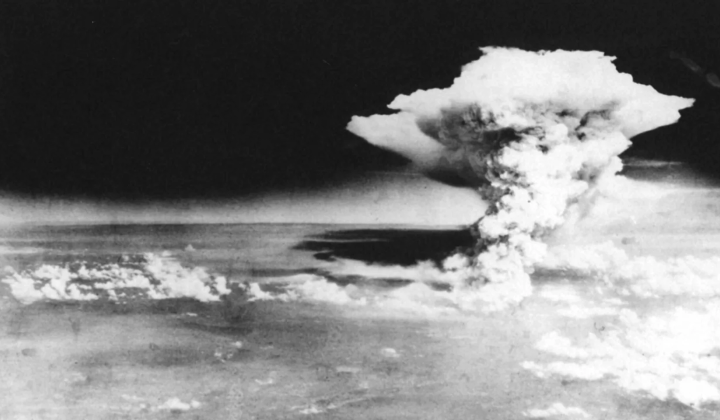
Soot injected into the stratosphere can linger for months or even years, blocking sunlight and cooling the planet’s surface. However, it’s important to note that the Hiroshima bombing itself did not trigger a nuclear winter. An iconic photograph of the soot cloud taken from the Enola Gay on August 6 illustrates the scale of the event. By revisiting historic data, this study sheds new light on the environmental effects of nuclear detonations.
This research highlights the value of analyzing archival records to better understand the aftermath of nuclear explosions and their climatic impact. The altitude reached by the soot particles could influence future investigations into nuclear fallout and global environmental consequences. Ultimately, these findings contribute to a deeper comprehension of how massive atmospheric injections from nuclear blasts might drive climate change.

Read also