The 20 Best Employee Engagement Platforms to Watch in 2026

Employee Engagement Software: A Strategic Necessity
According to Achievers: Employee engagement software has become a critical tool for organizations aiming to boost productivity through recognition and feedback. This technology makes engagement more visible by giving managers a meaningful role and providing leadership with data to identify engagement gaps. While traditional methods like annual surveys only reveal issues after the fact, modern solutions enable real-time response.
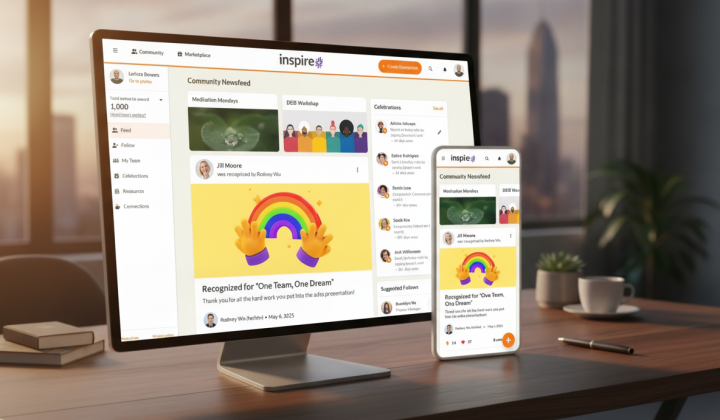
The biggest impact of engagement software is felt by managers, frontline employees, and HR leaders. Engagement works when employees use it consistently and managers actively participate. It fails when participation is low and recognition happens sporadically. These solutions appear across digital recognition platforms, feedback tools, and corporate news channels.
Top Platforms and Key Features
In 2026, the market offers 20 employee engagement platforms. Standouts include:
- Achievers
- Workday
- BambooHR
- Workleap
- SurveyMonkey
- Vantage Circle
- WorkTango
- Lattice
- Matter
- Seismic
- Igloo
- UKG
- Culture Amp
- Motivosity
- Nectar
- Kudoboard
- Nailted
- Mo
- Leapsome
- Cooleaf
Achievers holds a 4.7 out of 5 rating on G2 and a 93% global adoption rate. It has been the top-rated employee recognition platform in the G2 Grid Report for Employee Recognition for three consecutive reporting seasons.
Key features of engagement software include:
- built-in recognition tools
- real-time feedback
- strong manager enablement
- connection across teams and roles
- clear engagement data and analytics
The software must offer direct integrations with HRIS/HCM systems, mobile and offline access, scalability, adaptability, and ongoing support.
Data from the 2026 Engagement and Retention Report is based on a global survey of 3,000 employees across North America, EMEA, and APAC. Engagement trends in 2026 show that recognition has the strongest impact on engagement and retention. Most employees feel disconnected from people and resources, and manager support is inconsistent, directly affecting retention. Only 25% of employees feel valued or engaged at work, and those who receive frequent recognition are 2.6 times more likely to be top performers.
Examples of engagement software in action include Seattle Children's Hospital, where a pilot program recorded 144 recognitions from patients and a 10% increase in employee engagement. At General Motors, 87% of employees were active on the platform within 30 days, resulting in over 80,000 recognitions. Team, Inc. saw a 52% increase in platform activation and 77% usage among active users.
Achievers recommends an average software cost of $12 per employee over a multi-year partnership. The pricing model includes a one-time implementation fee, an annual software subscription, service tiers, and optional add-ons. Considering all these factors, organizations can choose the best solutions to boost employee engagement, which in turn drives productivity and overall company success.
Implementing employee engagement software is becoming essential for many companies as increasing competition in the labor market demands new approaches to human resource management. Recognition and feedback can significantly impact employee morale and productivity, leading to improved overall business outcomes. With new data and trends in mind, organizations must adapt their engagement strategies to ensure sustainable growth and talent retention.
As companies strive to enhance employee satisfaction and retention, understanding the shifting job market becomes increasingly vital. In this context, exploring the platforms that can reshape recruitment strategies can provide valuable insights for organizations looking to stay competitive and engaged with their workforce.

Read also